Opportunity Watch

San Bernardino County’s Reverse Vendor Show Opens a “World of Opportunities” for Local Businesses

San Bernardino County’s Reverse Vendor Show Opens a “World of Opportunities” for Local Businesses

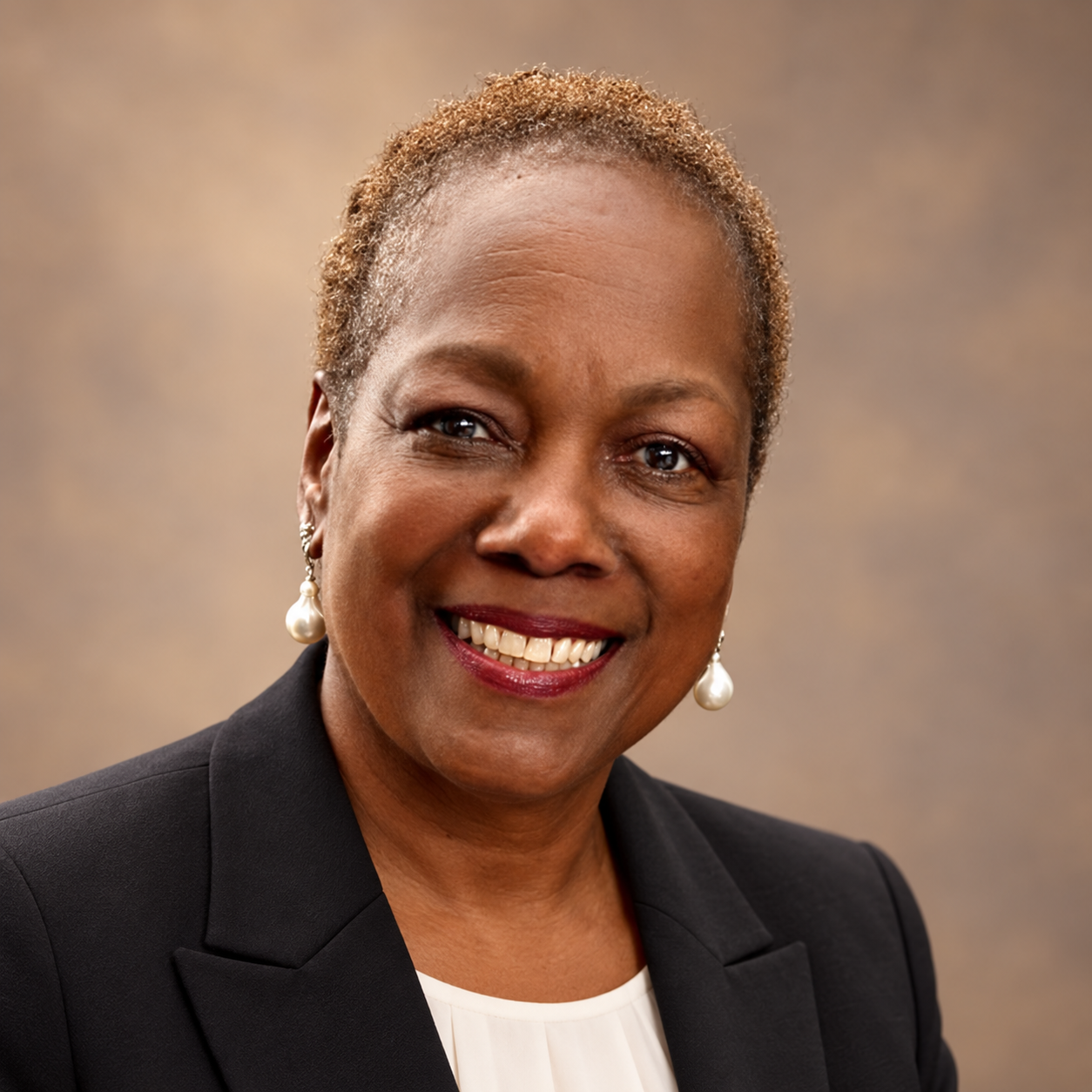
Local business owners interested in selling products or services to San Bernardino County will have an opportunity to meet directly with the departments that purchase them during the County’s upcoming World of Opportunities Reverse Vendor Show on September 10, 2026, in Yucaipa.

Southern California Small Businesses Can Compete for Energy Department Contracts

Southern California Small Businesses Can Compete for Energy Department Contracts

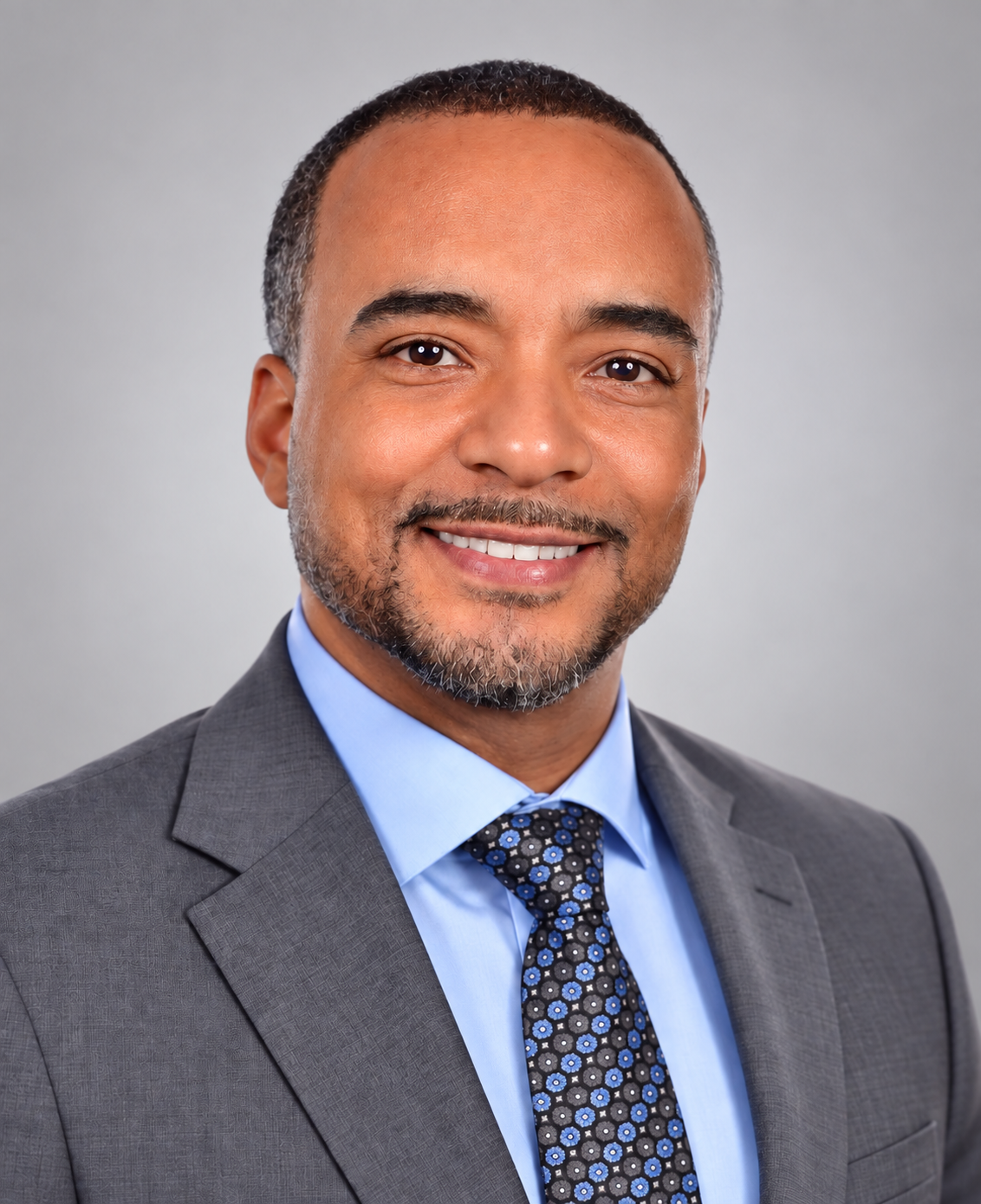
A free SBA webinar will show entrepreneurs how to identify, pursue and prepare for contracting opportunities with the U.S. Department of Energy. Southern California small businesses working in technology, construction, engineering, cybersecurity, clean energy and professional services may find new customers in an unexpected place: the U.S. Department of Energy.

SB County to Receive $7 Million in Federal Funding for Infrastructure

SB County to Receive $7 Million in Federal Funding for Infrastructure

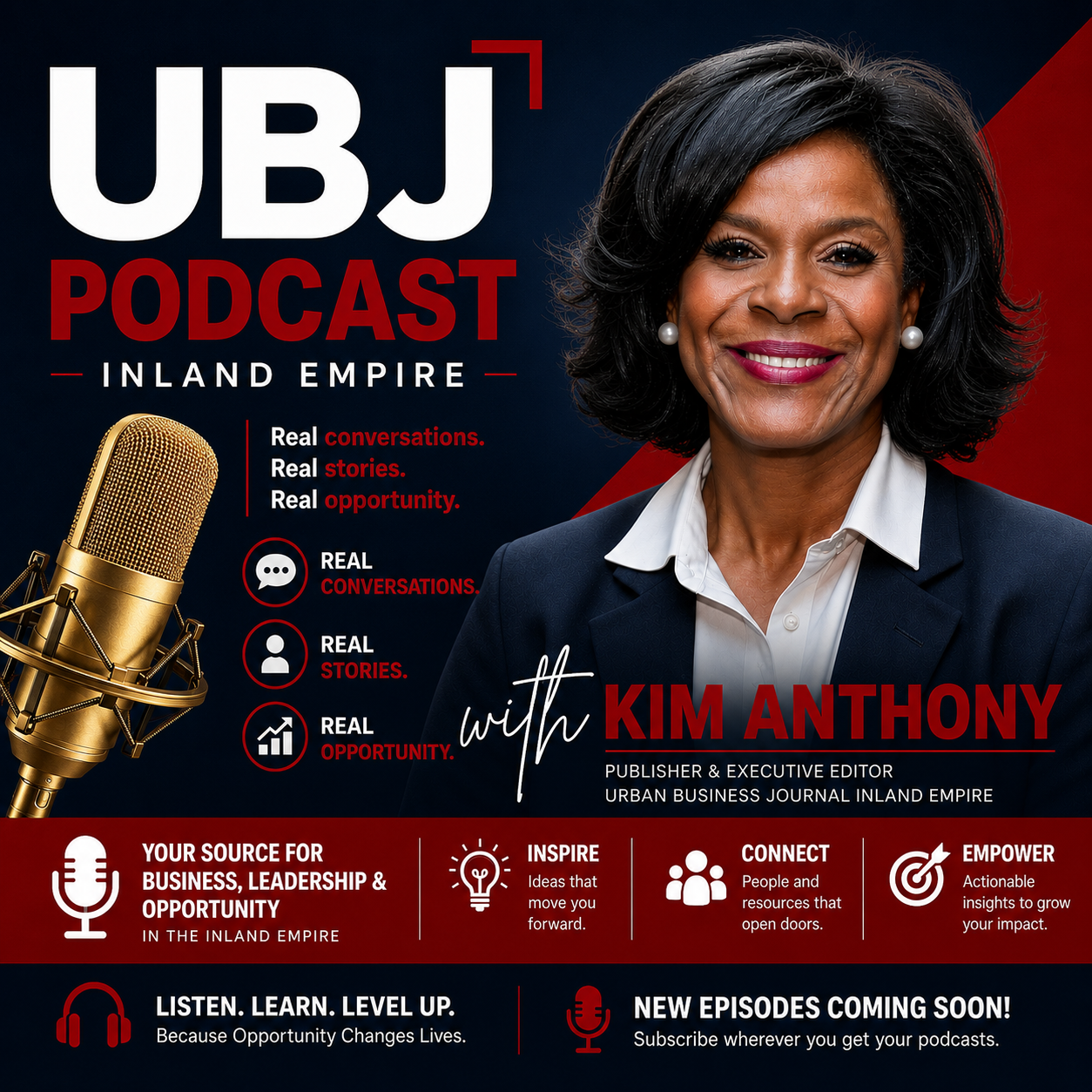
San Bernardino County will receive nearly $7 million in federal funding to support a series of infrastructure and public safety improvements across the region.

By Kim Anthony July 16, 2026
The Orange County Inland Empire Small Business Development Center (OCIE SBDC) Network has partnered with the Riverside County Office of Economic Development to help entrepreneurs launch new businesses and assist existing small businesses that continue to recover from the economic impacts of the pandemic. Through the Riverside County Small Business Thrive Program, eligible applicants may qualify for grant awards of $1,500, $2,500, or $5,000 to start or grow their businesses. Funded through the American Rescue Plan Act (ARPA) Economic Recovery Program, the Thrive Program provides both financial assistance and business support to help entrepreneurs build stronger, more sustainable businesses. What's Required? To be eligible for a grant, qualifying applicants must: Meet all program eligibility requirements Complete an approved small business training program Participate in one-on-one business consulting through the OCIE SBDC Attend a Financial Literacy webinar presented by AmPac Business Capital The OCIE SBDC provides the required training, advising, and consulting to help businesses successfully complete the application process. Grant award decisions are made by Riverside County—not the OCIE SBDC. Business Training at No Cost Whether you're launching your first business, strengthening your existing company, or preparing for your next stage of growth, the OCIE SBDC provides no-cost expert advising, practical training, and personalized one-on-one support to help you build a stronger, more successful business. Training topics include: Business planning Marketing and sales Financial management Human resources Licensing and permits Business growth strategies, and more Participants also receive hands-on support in taking a business from concept to customer, including opportunities to validate products through e-commerce, local marketplaces, and retail channels. All programs are led by experienced OCIE SBDC business advisors and industry experts. Ready to Thrive? Explore upcoming workshops, connect with the OCIE SBDC intake team, and learn how the Riverside County Small Business Thrive Program can help you start or grow your business. Learn more and register today here: https://ociesmallbusiness.org/riverside-county-thrive
Person in a yellow hoodie using a laptop at a glass table in a bright room
By Kim Anthony July 15, 2026
California's newly approved 2026–27 State Budget includes continued investment in Calbright College , signaling the state's ongoing commitment to expanding economic opportunity through education and workforce development. Following the budget's passage and Governor Gavin Newsom's signature, Calbright College President and CEO Ajita Talwalker Menon thanked state leaders for supporting an education model designed specifically for working-age adults. The investment reinforces California's strategy of helping adults earn career-focused credentials through flexible, online learning combined with personalized coaching and support—making education more accessible for people balancing work, family, and other responsibilities. For entrepreneurs and small business owners across the Inland Empire, this investment goes beyond education—it represents an opportunity to strengthen the local workforce. As businesses continue to struggle with hiring and retaining skilled employees, programs like Calbright can help workers develop in-demand skills in areas such as project management, information technology, cybersecurity, data analysis, and customer relationship management without leaving the workforce. A stronger talent pipeline benefits employers by: Expanding the pool of job-ready workers. Helping existing employees upskill while remaining employed. Reducing recruitment and training costs. Improving employee retention through career advancement opportunities. Supporting business growth with a more adaptable workforce. For entrepreneurs, the availability of flexible workforce training also makes it easier to hire individuals who are actively investing in their own professional development. Small business owners can encourage employees to pursue credential programs that strengthen skills without requiring traditional classroom schedules. A Boost for Economic Mobility The budget investment also supports California's broader goal of increasing economic mobility by creating more pathways into quality careers. For many adults—including career changers, parents returning to the workforce, veterans, and first-generation college students—flexible education can provide a faster route to higher wages and greater financial stability. Communities like the Inland Empire, where small businesses drive much of the local economy, stand to benefit as more residents gain the skills employers need while entrepreneurs gain access to a stronger, more competitive workforce. For the Urban Business Journal community, this is another reminder that investing in people remains one of the smartest investments any economy can make. A more skilled workforce doesn't just create better employees—it creates future entrepreneurs, stronger local businesses, and more resilient communities.
By Kim Anthony July 10, 2026
Inland Empire entrepreneurs can access professional business consulting—at no cost.
By Kim Anthony December 31, 2025
For California entrepreneurs seeking an edge in the state procurement marketplace, certification through the California Department of General Services (DGS) remains one of the most effective ways to increase visibility, access contracting opportunities, and compete more fairly for government contracts. DGS’s Office of Small Business and Disabled Veteran Business Enterprise Services (OSDS) oversees certification for both Small Business (SB) and Disabled Veteran Business Enterprise (DVBE) designations — and understanding how to apply or re-apply is essential for business growth.   What the SB and DVBE Certifications Do The SB and DVBE certification programs are designed to promote and increase participation by small businesses — including veteran-owned firms — in state contracting. Certification can help businesses: Appear in the official California certified vendor directory used by state agencies and prime contractors Be considered for direct contracting opportunities through the SB/DVBE Option Participate in solicitations with bid preferences or incentive programs Expand access to state procurement markets worth billions annually Certification also supports broader policy goals: California law calls for specific participation targets — such as a 3% DVBE participation requirement on many state contracts — and agencies seek to maximize involvement from certified firms. Who Qualifies for SB and DVBE Certification Small Business (SB): To qualify as a certified small business in California, a firm must be independently owned and operated, meet state revenue size standards, and have its principal office in California. For most SB applications, average gross annual revenues over the previous three years must fall below the threshold defined for the business’s industry category. Disabled Veteran Business Enterprise (DVBE): DVBE certification is specifically for businesses owned by disabled veterans. To qualify, the business must meet several requirements: At least 51% owned by one or more disabled veterans Disabled veteran(s) must be actively managing and controlling the day-to-day operations and decision-making The veteran(s) must have a service-connected disability as verified by the U.S. Department of Veterans Affairs (typically at least 10% disability) The firm’s home office must be located in the U.S. and properly registered to do business in California For certain business structures such as LLCs, the entity may need to be wholly owned by qualifying disabled veterans These requirements, set out in DGS’s certification criteria, ensure that only legitimate disabled veteran-owned businesses receive DVBE certification and access to corresponding opportunities. How to Apply or Re-Apply 1. Register on Cal eProcure All certification applications are submitted through Cal eProcure — California’s online procurement portal. Businesses must first create or update their profile on the system before beginning the certification process. 2. Complete the Certification Application Once registered, log in to Cal eProcure and navigate to the Small Business/DVBE services section. Select the appropriate certification type — SB, DVBE, or both — and complete the questionnaire. Applicants need to provide documentation supporting ownership, structure, financials, veteran disability status, and control of the business. 3. Upload Required Documentation Required attachments typically include tax returns, ownership agreements, veteran disability verification (e.g., VA award letter), government-issued IDs, and other supporting evidence. Ensuring files are complete and clearly labeled reduces processing delays. 4. Submit and Monitor Status After submission, the Office of Small Business and DVBE Services reviews the application. Processing times vary but generally range from a few weeks to a couple of months depending on workload and completeness of the submission. 5. Renew on Time Certification is typically valid for two years and must be renewed before expiration. Re-application requirements mirror the initial application process, and businesses should begin renewal well before their current certifications lapse. Why Certification Still Matters For many California vendors, SB and DVBE certifications unlock opportunities that would be difficult to access otherwise. Certified firms are more likely to be considered for: State agency contracts and solicitations that prioritize or require certified vendors SB/DVBE Option contracts, where state agencies can award directly to certified firms Prime contractor subcontracting goals, particularly for DVBEs Educational and outreach events that connect vendors with buyers and procurement professionals Certification also supports compliance with state procurement goals — such as the minimum DVBE participation rate of 3% in many solicitations — meaning agencies and primes actively seek certified DVBEs as part of responsible bidding. Getting Support and More Information The DGS Office of Small Business and DVBE Services offers outreach, training, and assistance to help applicants successfully navigate the certification process. You can contact the office at (916) 375-4940 or via email at OSDSHelp@dgs.ca.gov for help with applications, renewals, or understanding program requirements. Whether you are applying for the first time or renewing your SB/DVBE certification, completing the process through Cal eProcure positions your business to compete more effectively in California’s public procurement landscape. Certification opens doors — and in an increasingly competitive market, having that verified status can make a decisive difference.

more stories

By UBJ Staff August 19, 2026
PCR Business Finance has officially opened the doors to its new headquarters at 3800 W. Slauson Avenue in Los Angeles , placing a major small-business resource directly in the community it was created to serve. Elected officials, community organizations, business owners and supporters gathered for a ribbon-cutting ceremony and open house celebrating the new location—and what it could mean for entrepreneurs throughout South Los Angeles. For PCR President and CEO Mark Robertson Sr. , reaching this milestone required faith, determination and a clear commitment to the community. “The process has been one of faith, persistence, pushing forward to make sure this happens for our community at this time,” Robertson said. “PCR was started almost 50 years ago to support businesses that don’t have resources, and now, here we are, putting our footprint in the community that needs us most,” he continued. “We are just so excited about that.” Nearly 50 Years of Expanding Economic Opportunity Founded in 1977, PCR Business Finance is a nonprofit 501(c)(3) organization that promotes community economic development through financial, educational and advisory services. PCR is described as the only organization in Los Angeles County with dual designation as both a Community Development Financial Institution and Small Business Development Center. Through those roles, the organization connects under-resourced entrepreneurs with financing, technical assistance, education and guidance designed to help them start, stabilize and grow their businesses. Its new Slauson Avenue headquarters represents a significant investment in that mission—and in the future of South Los Angeles business owners. “We’re not just celebrating today a new building, but what this building represents for South L.A. entrepreneurs,” said Los Angeles County Supervisor Holly Mitchell , who delivered the keynote address. “We deserve a world-class resource right here in our own community.” Mitchell described the new headquarters as a $6 million investment in the unincorporated Second District and emphasized the importance of strengthening community-based financial institutions. “We are here at a pivotal time,” Mitchell said. “Community development financial institutions are under attack from our very own federal government.” “This $6 million investment—I said, $6 million investment—in unincorporated Second District really is a declaration that we believe in ourselves, this community, and we’re not going to wait on the federal government to validate our worth.” A Visible Home for Business-Building Resources Los Angeles City Council President Marqueece Harris-Dawson celebrated PCR’s decision to make its presence visible along the Slauson Avenue corridor. “A big round of applause for beautifying an already beautiful corridor—our corridor—and putting your name on front street so everybody can see that we’re up in here, about the business of our community having small businesses,” Harris-Dawson said. “It’s important that you’re here. It’s important that everybody knows, if I ever get ready to have a business, I know where to go. It’s right here on the corner.” Other officials and representatives attending the celebration included: Long Beach City Councilwoman Tunua Thrash-Ntuk Representatives from the office of Compton Mayor Emma Sharif Representatives from the office of U.S. Rep. Sydney Kamlager-Dove Representatives from the office of California State Sen. Lola Smallwood-Cuevas Representatives from the office of California State Treasurer Fiona Ma Representatives from the office of Assemblymember Isaac Bryan Representatives from the office of Assemblymember Tina McKinnor Representatives from the office of Los Angeles County Assessor Jeffrey Prang Representatives from the office of Los Angeles Metro Board Director Jacquelyn Dupont-Walker Helping Businesses Prepare for Major Opportunities PCR enters its next chapter with a long record of connecting businesses and communities to capital. The organization recently surpassed $50 million in administered funds through Los Angeles Metro’s Business Interruption Fund , one of many milestones it has achieved during nearly five decades of service. PCR is also helping small businesses prepare for the economic activity expected around the 2028 Olympic and Paralympic Games in Los Angeles and other large-scale events coming to the region. Those opportunities could generate new customers, contracts and visibility for local companies. But small-business owners may need financing, certifications, stronger operations and technical guidance to compete effectively. PCR’s combination of capital and business-development services positions the organization to help entrepreneurs become ready for those opportunities. Bringing the Work Back Home The opening also carried deep personal meaning for Robertson, who grew up in the surrounding neighborhood. “It feels wonderful,” Robertson said after cutting the ribbon. “This is the community I grew up in. I went to 54th Street School, maybe just a half mile from here.” “This is my neighborhood, and it’s good to be able to go out, have been educated, trained and bring all of that back to the community I love.” With its new headquarters now open, PCR Business Finance is creating a visible place where entrepreneurs can seek funding, receive guidance and find the support needed to move their businesses forward. For more information about PCR’s financing, education and business-advisory services, visit pcrcorp.org . UBJ Takeaway: South Los Angeles and Southern California entrepreneurs seeking capital or business assistance should review PCR’s available loan programs, advising services and upcoming training opportunities—particularly those preparing for public contracting and LA28-related growth.
By UBJ Staff August 19, 2026
As Los Angeles prepares to welcome the world, local entrepreneurs are being encouraged to prepare now for the contracts, capital and growth opportunities surrounding the 2028 Olympic and Paralympic Games. By Urban Business Journal Staff The 2028 Olympic and Paralympic Games will bring more than world-class competition to Los Angeles. They are also expected to generate significant demand for local goods, services and suppliers—and JPMorganChase says small businesses should be positioned to participate. JPMorganChase Chairman and CEO Jamie Dimon and Los Angeles-based executive Diedra Porché are helping focus attention on the economic potential surrounding LA28, particularly for entrepreneurs and neighborhood businesses that have historically struggled to access major contracts and growth capital. The financial institution recently became the Official Bank of Team USA and the LA28 Olympic and Paralympic Games, a Founding Partner of LA28 and the first Global Banking Partner in Olympic history. But for Los Angeles business owners, the most consequential part of the partnership may be what happens beyond the competition venues. JPMorganChase says its LA28 commitment will include efforts to empower local businesses, increase access to financial resources and help ensure that the economic impact of the Games continues after the closing ceremony. “The Olympic and Paralympic Games bring people together in powerful ways,” Porché wrote when announcing the partnership. “And they create opportunity that extends well beyond the moment—for athletes, for families and for communities.” A Major Economic Moment for Los Angeles Delivering an event of LA28’s scale will require an extensive network of companies. The organizing committee says hundreds of contracting opportunities are expected across industries including: Event production Food and beverage Hospitality and tourism Transportation Logistics and warehousing Security Technology Marketing and communications Staffing and workforce services Equipment rental Professional services Cleaning, maintenance and waste management LA28 has established a goal of directing 75% of its addressable spending to local businesses and 25% to small businesses through its Community Business Supplier Program. That commitment could open doors for Los Angeles entrepreneurs—but registration alone will not be enough. Companies must be financially prepared, operationally capable and ready to meet the requirements of large institutional buyers. Capital, Coaching and Connections JPMorganChase’s LA28 partnership comes as the company expands its broader support for small businesses through its American Dream Initiative. The bank plans to provide nearly $80 billion in small-business lending over the next decade, hire more than 1,000 additional business bankers and expand its team of senior business consultants. Los Angeles is among the priority markets identified for increased support. The initiative also includes an expansion of Coaching for Impact, which provides entrepreneurs with individual coaching, technical assistance and business education. Porché, JPMorganChase’s regional chair for California and the West and head of Community and Business Development, has spent much of her career connecting entrepreneurs to capital, mentoring and practical financial tools. Her leadership is especially relevant in Los Angeles, where many small and diverse businesses have the expertise to perform major contracts but may need help strengthening cash flow, accessing working capital or navigating complex procurement systems. That distinction matters. Winning a large contract can place unexpected pressure on a small company. Vendors may need to hire employees, purchase inventory, secure equipment and complete work weeks—or months—before receiving payment. Access to capital is therefore not separate from procurement readiness. It is part of it. Opportunity Is Not the Same as Access The arrival of the Games does not automatically guarantee that neighborhood businesses will benefit. Small companies can still be excluded by limited outreach, complicated registration systems, insurance requirements, bonding thresholds, slow payment schedules or contracts packaged at sizes that only established corporations can manage. For LA28’s small-business commitment to create meaningful economic mobility, local entrepreneurs must be able to compete as prime contractors, subcontractors and suppliers throughout the Games’ supply chain. Banks, corporations, government agencies and technical-assistance organizations will also need to coordinate their resources. Business owners should not have to navigate disconnected systems to locate financing, certifications, training and contracting opportunities. The true measure of LA28’s economic legacy will not simply be how much money the Games generate. It will be how much of that investment reaches Los Angeles businesses, workers and communities—and whether participating companies emerge stronger after 2028. What Los Angeles Businesses Should Do Now The contracting window is already opening. Business owners should begin preparing before opportunities aligned with their capabilities are announced. 1. Register with LA28 Businesses interested in supplying goods or services should complete the official LA28 Supplier Registration . Registration places a company in the supplier database but does not guarantee a contract. LA28 may contact registered companies when relevant opportunities arise. 2. Join RAMP LA28’s competitive procurement opportunities are expected to appear through the City of Los Angeles’ Regional Alliance Marketplace for Procurement , commonly known as RAMP. Businesses should create a complete vendor profile, select accurate commodity codes and review the platform regularly for Requests for Information, Expressions of Interest and formal solicitations. 3. Prepare a Strong Capability Statement A one-page capability statement should clearly communicate: The company’s core services Relevant project experience Past performance Certifications Geographic service area Insurance and bonding capacity Business identifiers and commodity codes Contact information What makes the company especially qualified The document should be tailored to the buyer rather than used as a generic company flyer. 4. Review Financial Capacity Businesses should understand how much working capital they would need to perform a major contract successfully. Owners should review cash flow, credit, payroll capacity, equipment needs and the financial effect of delayed payments before submitting a bid. 5. Secure Relevant Certifications Depending on the opportunity, certification as a small, minority-owned, woman-owned, veteran-owned, LGBTQ-owned or disabled-owned business may increase visibility and provide access to supplier-diversity programs. Business owners should verify which certifications are recognized by each buyer rather than assuming one certification applies everywhere. 6. Look for Subcontracting Opportunities Not every business will enter the LA28 supply chain as a prime contractor. Smaller companies can pursue subcontracting, joint ventures and supplier relationships with larger firms that need local partners, specialized expertise or diverse vendors to fulfill major agreements. 7. Use Free Procurement Assistance ProcureLA provides eligible Los Angeles businesses with free procurement education and assistance designed to help companies compete for public- and private-sector contracts. Small Business Development Centers and other local technical-assistance providers can also help owners review financials, refine capability statements and assess contract readiness. The Starting Gun Has Already Fired The Olympic flame will not arrive in Los Angeles until 2028, but the business opportunity has already begun. For local entrepreneurs, the next two years should be treated as a preparation period: strengthening operations, building relationships, securing capital and becoming visible to the institutions and prime contractors that will help deliver the Games. JPMorganChase has the scale, resources and Los Angeles presence to play a meaningful role in that preparation. The firm serves more than five million customers and approximately 589,000 small-business clients across Greater Los Angeles, supported by more than 330 branches and 6,000 employees. The opportunity now is to translate that reach—and LA28’s supplier goals—into measurable contracts, jobs and long-term business growth across Los Angeles. The world is coming to the city. Los Angeles businesses should be ready when it arrives. 
By Kim Anthony August 18, 2026
The third-generation, Black-owned business has turned a family recipe into a West Coast enterprise—while remaining rooted in the community that helped it grow. By Urban Business Journal Staff For 70 years, the ovens at 27th Street Bakery have produced more than sweet potato pies. They have helped sustain a family legacy, create neighborhood jobs and preserve an important piece of Black business history in South Los Angeles. Located at 2700 South Central Avenue, the third-generation, Black-owned bakery is celebrating seven decades in business—a milestone few small businesses ever reach. Best known for its homemade sweet potato and pecan pies, 27th Street Bakery has grown from a neighborhood favorite into what the company describes as the largest manufacturer of sweet potato pies on the West Coast. From Southern Roots to a Los Angeles Landmark The business began during the 1930s when Harry and Sadie Patterson opened a restaurant along Central Avenue, then the cultural and commercial heart of Black Los Angeles. The Pattersons brought Southern recipes and traditions with them, creating food that offered Los Angeles’ growing Black community a familiar taste of home. In 1956, the family converted the restaurant into a specialty bakery producing sweet potato pies, fruit pies, cakes and other desserts. That transformation established the business now known as 27th Street Bakery. The next generation assumed leadership in 1980, when the founders’ daughter, Alberta Cravin, and grandson, Gregory Spann, took over the operation. Today, the bakery is led by sisters Denise Cravin-Paschal and Olympic gold medalist Jeanette Bolden-Pickens, along with Bolden-Pickens’ husband, Al Pickens. Five additional family members are reportedly involved in the business, continuing a tradition of shared ownership and responsibility. More Than a Bakery The bakery’s longevity is especially significant because of where it stands. Central Avenue was once home to a thriving collection of Black-owned hotels, nightclubs, restaurants and professional offices. As Los Angeles changed and families dispersed into other neighborhoods, many of those businesses disappeared. 27th Street Bakery remained. Its presence represents both economic endurance and cultural preservation. Across several generations, the company has provided employment, stability and a trusted gathering place for neighborhood residents. The bakery has also learned how to grow without abandoning its roots. Customers can still walk into the Central Avenue storefront and purchase fresh pastries, but the company now accepts online orders, offers nationwide shipping through Goldbelly and provides local delivery through services including DoorDash, Uber Eats and Postmates. The company was also selected as an approved supplier for the Super Bowl LVI Business Connect program—an initiative that identified qualified, diverse Los Angeles-area companies to compete for contracting opportunities connected to the event. That combination of tradition, distribution and supplier readiness offers a valuable lesson for other community-based businesses: longevity often depends on preserving what customers love while continually developing new ways to reach them. Seventy Years—and Still Growing In recognition of the anniversary, 27th Street Bakery is offering slices of sweet potato pie for 70 cents on select Saturdays through October 31, according to reporting from LA Local. The promotion is more than an anniversary special. It is an invitation for Los Angeles residents to support a business that has supported its community for generations. At a time when many independent restaurants and neighborhood businesses are struggling with rising costs, changing consumer habits and increased competition, reaching the 70-year mark is an extraordinary achievement. It demonstrates the power of family succession, a trusted product, community loyalty and the willingness to adapt. The Business Lesson The story of 27th Street Bakery offers several practical lessons for entrepreneurs hoping to build companies that last: Build around a signature product. The bakery became widely recognized for one distinctive offering—its homemade sweet potato pie. Protect the brand’s story. Its history and family recipe are not simply sentimental details; they are competitive advantages that distinguish the company from mass-market producers. Prepare the next generation. Leadership has successfully transferred through three generations, allowing the company to preserve family ownership. Expand how customers can buy. Nationwide shipping, online ordering and delivery platforms have taken the bakery beyond the geographic limitations of its storefront. Pursue supplier opportunities. Certification and participation in procurement programs can expose established small businesses to larger contracts and new institutional customers. Remain connected to the community. The company’s enduring relationship with South Los Angeles has created a level of loyalty that advertising alone cannot purchase. For entrepreneurs throughout Los Angeles, the Inland Empire and beyond, 27th Street Bakery is proof that a neighborhood business can preserve its identity, expand its reach and build an enterprise capable of outliving its founders. Seventy years later, the family is still baking—and Los Angeles is still showing up for another slice. Support This Legacy Business 27th Street Bakery 2700 S. Central Avenue Los Angeles, CA 90011 Tuesday–Saturday, 8 a.m.–4 p.m. 323-233-3469 Order or learn more at 27thStreetBakery.com This story was inspired by the CBS Los Angeles report celebrating the bakery’s 70th anniversary . Additional historical information was verified through the 27th Street Bakery , the Los Angeles Conservancy and LA Local .
By Kim Anthony August 18, 2026
Inland Empire companies planning to hire, expand or invest may qualify for tax credits, financing assistance and no-cost guidance from the state. California business owners do not have to navigate growth, permitting, financing and state regulations alone. The Governor’s Office of Business and Economic Development, commonly known as GO-Biz, continues to provide no-cost assistance to companies seeking to start, remain or expand in California. Services include help identifying business incentives, selecting sites, navigating permits, resolving regulatory challenges, accessing international markets and working with state agencies. One of the most immediate opportunities is the California Competes Tax Credit, a competitive income tax credit for businesses that want to locate, remain or grow in the state. GO-Biz is accepting applications for the first 2026–27 funding period through August 10, 2026. Businesses of any size, industry or California location may compete for more than $180 million in available tax credits. Applications are evaluated using factors that include the number of full-time jobs created, the amount of investment proposed and the project’s importance to the state or regional economy. GO-Biz is also offering an application webinar on July 30 from 3 to 4 p.m. Pacific. A recorded webinar, application guide and frequently asked questions are available for businesses that cannot attend. Why This Matters for Inland Empire Businesses The program could be particularly relevant to Inland Empire companies preparing to open another location, increase hiring, purchase equipment, expand manufacturing or make other significant investments. The tax credit is competitive and not every applicant will receive an award. However, smaller businesses should not assume the program is reserved only for large corporations. Eligibility is open to businesses of all sizes, and the economic importance of a project to its region is among the factors considered. For business owners who are not ready to pursue the California Competes Tax Credit, GO-Biz provides access to several other forms of assistance. Its business incentives resources include information about research and development tax credits, funding for employee training, manufacturing-related sales and use tax exemptions, zero-emission vehicle infrastructure incentives and utility discounts for qualifying high-energy businesses. GO-Biz consultants also provide confidential, no-cost assistance to help companies identify relevant tax credits, grants and financing programs. Businesses struggling with licenses, certifications or regulatory requirements can also request assistance. GO-Biz helps companies understand local, state and federal registration processes and identify the permits they may need to start, maintain, relocate or expand their operations. California’s network of Small Business Support Centers provides another entry point. Through the California Office of the Small Business Advocate, entrepreneurs can access no-cost one-on-one consulting and no-cost or low-cost training on business planning, financing, marketing, e-commerce, resiliency and growth. The Orange County Inland Empire Small Business Development Center Network serves entrepreneurs in Riverside and San Bernardino counties. Companies interested in international markets may also explore the California State Trade Expansion Program. Its Export Voucher can reimburse eligible small businesses for up to 75% of pre-approved export promotion expenses, with reimbursement capped at $10,000 per federal fiscal year. Eligible activities may include trade shows, international marketing materials, export-related services and website globalization. What Business Owners Should Do Now Business owners considering the California Competes Tax Credit should begin by documenting their proposed investment, projected hiring, expansion timeline and expected economic impact. They should also: Review the eligibility requirements and application guide. Attend or watch the California Competes webinar. Gather financial, employment and project information before beginning the application. Contact GO-Biz for no-cost guidance. Speak with a local Small Business Development Center advisor for additional assistance. The larger opportunity is not limited to one tax credit. GO-Biz operates as a gateway to state programs that many entrepreneurs may not know exist. For Inland Empire businesses preparing to grow, the first step may be as simple as asking what assistance is available before making the next major investment.
By Kim Anthony August 18, 2026
This is a subtitle for your new post
By UBJ Staff August 17, 2026
For Inland Empire small business owners, a bank denial can feel like the end of the road—especially when customers are waiting, contracts are available and growth opportunities require immediate capital. A business may be too new to meet traditional lending requirements. Revenue may fluctuate throughout the year. The owner’s credit profile may not fit a bank’s underwriting standards, or the application process may take longer than the opportunity allows. But a bank’s “no” does not necessarily mean the business cannot move forward. A business may be too new to meet traditional lending requirements. Revenue may fluctuate throughout the year. The owner’s credit profile may not fit a bank’s underwriting standards, or the application process may take longer than the opportunity allows. But a bank’s “no” does not necessarily mean the business cannot move forward. Alternative financing can provide entrepreneurs with access to capital based on invoices, purchase orders, sales revenue or other business activity. These funding tools may help a company stabilize cash flow, fulfill a contract, purchase inventory or respond to an opportunity that cannot wait several months for approval. They can also be more expensive than traditional loans. Business owners should carefully review the fees, repayment terms and potential risks before signing an agreement. Here are three alternative financing options Inland Empire businesses should understand. 1. Factoring: Turning Unpaid Invoices Into Working Capital Factoring, also known as accounts receivable financing, allows a business to receive cash from an invoice before the customer pays it. How it works: A business completes a job or delivers goods and sends an invoice to its customer. A factoring company purchases the invoice and advances a percentage of its value, sometimes within 24 to 48 hours. When the customer pays the invoice, the factoring company releases the remaining balance to the business after deducting its fees. Why businesses consider factoring Factoring can: Provide faster access to working capital Base approval largely on the customer’s ability to pay Help cover payroll, supplies and operating expenses Reduce the wait between completing a job and receiving payment Provide funding without taking out a traditional long-term loan Factoring may be particularly useful for contractors, staffing firms, transportation companies, manufacturers, consultants and service providers that regularly invoice established customers. Before entering an agreement, business owners should determine whether the factoring arrangement includes recourse, meaning the business may remain responsible if the customer does not pay. 2. Purchase Order Financing: Funding the Order Before It Is Filled Purchase order financing is designed for businesses that receive a confirmed customer order but do not have enough cash to purchase the inventory or materials needed to fulfill it. How it works: A customer submits a legitimate purchase order. The financing company then pays the business’s supplier directly for the products, materials or inventory needed to complete the order. After the goods are delivered and the customer pays, the financing company deducts its fees and releases the remaining proceeds to the business. Why businesses consider PO financing Purchase order financing can: Help a company accept larger orders Provide capital without requiring the owner to pay suppliers upfront Support businesses that do not qualify for conventional financing Prevent a business from turning down a valuable contract Help a growing company build relationships with larger customers This option may work well for wholesalers, distributors, importers, manufacturers and other product-based companies. Business owners should confirm that the profit margin on the order is large enough to cover financing costs and still produce a worthwhile return. 3. Revenue-Based Financing: Repayment That Follows Sales Revenue-based financing provides a business with upfront capital in exchange for a percentage of future revenue until an agreed-upon repayment amount is reached. How it works: The financing company advances the funds. The business then repays a percentage of its weekly or monthly revenue. When sales decline, the payment may decrease. When sales increase, the business generally repays more. Unlike an equity investor, the financing company does not typically receive ownership in the business. Why businesses consider revenue-based financing. This option can: Provide capital based primarily on sales performance Adjust payments as revenue rises or falls Allow owners to retain control of their companies Offer an alternative for businesses with consistent deposits but limited credit history Provide funding more quickly than some traditional loan programs Revenue-based financing may appeal to restaurants, retailers, salons, wellness companies, e-commerce businesses, subscription services and other companies with consistent sales. However, convenience can come at a significant cost. Owners should calculate the total repayment amount—not just the weekly or monthly payment—and determine how the withdrawals may affect daily cash flow. Alternative Financing Can Be a Strategy—Not Just a Last Resort Alternative financing is sometimes viewed as funding for businesses that cannot qualify for anything else. In practice, it can also be a strategic tool when timing, flexibility or the structure of a transaction matters more than obtaining the lowest possible interest rate. For minority-owned, women-owned, veteran-owned and family-owned businesses that have historically faced barriers to capital, these options may help close the gap between having an opportunity and being financially positioned to pursue it. Used responsibly, alternative financing may help a business: Improve short-term cash flow Fulfill larger contracts Purchase inventory or materials Respond to time-sensitive opportunities Build a stronger operating history Reduce dependence on slow approval processes The goal should not simply be to obtain money. The goal should be to secure the right capital, at the right cost, for a clearly defined business purpose. Questions to Ask Before Accepting Alternative Financing Before signing an agreement, business owners should ask: What is the total amount I will repay? What fees will be charged? How often will payments be withdrawn? Is a personal guarantee required? What happens if my customer pays late? Can the financing company place a lien on my business assets? Is there a penalty for early repayment? Will the financing improve or strain my cash flow? Is the expected profit from the opportunity greater than the cost of the financing? Owners should also consider reviewing the agreement with an attorney, accountant or trusted business adviser. When the Bank Says “No,” Explore the Full Capital Landscape A traditional bank loan remains one of the most affordable funding options for many businesses, but it is not the only option. Entrepreneurs may also explore Community Development Financial Institutions, credit unions, SBA-backed lenders, microloan programs, local revolving loan funds, grants and business-development organizations before selecting a higher-cost financing product. For Inland Empire businesses facing an immediate cash-flow challenge or a time-sensitive opportunity, factoring, purchase order financing and revenue-based financing may provide a path forward. The key is to understand the numbers, compare multiple offers and choose financing that strengthens the business rather than creating a new financial burden. The BBOP Center assists Inland Empire entrepreneurs with understanding capital options, preparing for funding and identifying financial strategies that support sustainable growth.
By Kim Anthony July 16, 2026
The Orange County Inland Empire Small Business Development Center (OCIE SBDC) Network has partnered with the Riverside County Office of Economic Development to help entrepreneurs launch new businesses and assist existing small businesses that continue to recover from the economic impacts of the pandemic. Through the Riverside County Small Business Thrive Program, eligible applicants may qualify for grant awards of $1,500, $2,500, or $5,000 to start or grow their businesses. Funded through the American Rescue Plan Act (ARPA) Economic Recovery Program, the Thrive Program provides both financial assistance and business support to help entrepreneurs build stronger, more sustainable businesses. What's Required? To be eligible for a grant, qualifying applicants must: Meet all program eligibility requirements Complete an approved small business training program Participate in one-on-one business consulting through the OCIE SBDC Attend a Financial Literacy webinar presented by AmPac Business Capital The OCIE SBDC provides the required training, advising, and consulting to help businesses successfully complete the application process. Grant award decisions are made by Riverside County—not the OCIE SBDC. Business Training at No Cost Whether you're launching your first business, strengthening your existing company, or preparing for your next stage of growth, the OCIE SBDC provides no-cost expert advising, practical training, and personalized one-on-one support to help you build a stronger, more successful business. Training topics include: Business planning Marketing and sales Financial management Human resources Licensing and permits Business growth strategies, and more Participants also receive hands-on support in taking a business from concept to customer, including opportunities to validate products through e-commerce, local marketplaces, and retail channels. All programs are led by experienced OCIE SBDC business advisors and industry experts. Ready to Thrive? Explore upcoming workshops, connect with the OCIE SBDC intake team, and learn how the Riverside County Small Business Thrive Program can help you start or grow your business. Learn more and register today here: https://ociesmallbusiness.org/riverside-county-thrive
By Kim Anthony July 16, 2026
(INLAND EMPIRE) For many small businesses, the next big opportunity isn't opening another storefront. It's setting up a tent. Across Southern California, pop-up markets, artisan fairs, food festivals, maker markets, and community events are becoming powerful platforms for entrepreneurs to introduce their products, build loyal followings, and grow their brands. From the Ontario Night Market to the Riverside Artswalk , these events are attracting thousands of visitors eager to discover local businesses, handcrafted products, specialty foods, and unique shopping experiences. For entrepreneurs, that's more than a busy weekend. It's a marketing strategy. Building Relationships Before Building a Store For years, launching a retail business often meant signing a long-term lease and investing thousands of dollars before meeting the first customer. Today's entrepreneurs are taking a different path. Pop-up events allow business owners to test products, gather customer feedback, refine pricing, and build brand awareness—often with far less risk than opening a permanent location. Many successful businesses began with a folding table, a canopy, and a willingness to introduce themselves to the community. More Than Making Sales Experienced vendors say the greatest value of a pop-up isn't always what happens at the cash register. It's what happens after the event. Every conversation becomes an opportunity to gain a social media follower, collect an email address, receive customer feedback, or create a repeat customer. For many entrepreneurs, the goal isn't simply selling a candle, T-shirt, pastry, or handcrafted gift. It's creating a customer who returns again and again. Creating Experiences Customers Remember Consumers today are increasingly looking for experiences, not just transactions. That's one reason community markets continue to grow in popularity. Visitors enjoy meeting the people behind the products, hearing the stories that inspired a business, watching demonstrations, tasting samples, and supporting local entrepreneurs. That personal connection is something online retailers often struggle to replicate. A Launchpad for New Businesses Pop-up events have also become an important entry point for first-time entrepreneurs. Many businesses begin by selling at farmers markets, neighborhood festivals, or arts events before eventually opening retail locations, expanding into wholesale, or launching e-commerce stores. For entrepreneurs by necessity, the model offers an affordable way to start building revenue while learning what customers truly want. Why It Matters The Inland Empire is home to thousands of talented makers, artisans, food entrepreneurs, designers, and small business owners. Community markets give those entrepreneurs visibility they might never achieve through advertising alone. As cities continue investing in placemaking and community events, pop-up markets are becoming more than weekend attractions. They're becoming business incubators. Make the Most of Your Next Pop-Up Event Before your next market or festival: Create a simple QR code that links to your website or newsletter. Collect customer email addresses for future promotions. Offer samples or product demonstrations when appropriate. Display your social media handles prominently. Tell the story behind your business—not just what you sell. Take photos and videos throughout the event for future marketing. Invite customers to visit your online store after the event. Local Events to Explore Entrepreneurs looking to increase visibility may want to explore opportunities through: Ontario Night Market Riverside Artswalk Local farmers markets throughout Riverside and San Bernardino counties Community festivals and seasonal maker fairs Chambers of Commerce and downtown association events UBJ Opportunity Take The most successful entrepreneurs don't wait for customers to find them—they go where customers are already gathering. Pop-up markets offer more than a place to sell products. They provide an opportunity to tell your story, test new ideas, build lasting relationships, and turn first-time shoppers into lifelong customers. In today's marketplace, a single weekend event can spark the beginning of a thriving business.
By Kim Anthony July 16, 2026
(ONTARIO, CA) For years, the Toyota Arena has been one of the Inland Empire's premier destinations for concerts, hockey, and major events. Soon, it may become the centerpiece of something much bigger. Just east of the arena, one of the region's most ambitious mixed-use projects—one designed to transform surface parking lots into a vibrant district where people can live, work, dine, and gather year-round is underway. For entrepreneurs and small business owners, the project represents more than new construction. It represents new customers. A New Downtown Experience The development envisions a walkable, mixed-use neighborhood adjacent to Toyota Arena featuring residential housing, restaurants, retail, public gathering spaces, and entertainment. At full build-out, Adept's long-range vision includes up to 2,000 residential units, approximately 130,000 square feet of retail and dining, and 75,000 square feet of public open space. The City of Ontario is planning complementary investments around the project, including an entertainment district envisioned with restaurants, live entertainment venues, a performing arts center, hotel accommodations, and additional public amenities. Together, the public and private investments could reshape the area into one of Southern California's most active entertainment destinations. More Than Apartments While new housing often captures headlines, mixed-use developments create something equally valuable: economic ecosystems. Residents need coffee shops, fitness studios, childcare providers, accountants, salons, pet services, restaurants, insurance agents, financial advisors, medical offices, and countless other neighborhood businesses. Every new apartment creates demand for local entrepreneurs. Every event at Toyota Arena becomes another opportunity for businesses to attract visitors before and after concerts, hockey games, and community events. Creating a Place to Gather A centerpiece of the vision is the proposed Ontario Arena Plaza, a two-acre public gathering space between Toyota Arena and the Adept development. Plans call for landscaped public spaces, water features, outdoor gathering areas, and restaurant concepts designed to encourage visitors to linger rather than simply arrive for an event and leave afterward. City planning documents describe the plaza as the "living room" of the future entertainment district—an economic catalyst connecting arena visitors with surrounding restaurants, retailers, and businesses. Why It Matters for Small Business Large developments often generate headlines because of their construction budgets. The bigger story is what happens after the ribbon cutting. Restaurants need local suppliers. Retailers need accountants and marketing firms. Property managers hire landscapers, maintenance companies, security firms, cleaning services, and technology providers. Professional service firms gain new clients. Independent retailers gain new foot traffic. Entrepreneurs gain access to a growing customer base. For Inland Empire business owners, developments like this can create years of opportunity—not just during construction, but long after the last building opens. A New Chapter for Ontario Ontario has spent the past decade establishing itself as a logistics, convention, and aviation powerhouse. Now it's adding another dimension: destination placemaking. The city's broader Arena District plan includes approximately 700 residential units, commercial space, public plazas, restaurants, entertainment venues, and future phases featuring a performing arts theater, hotel, and additional mixed-use development. Construction on the initial phase began in 2025. As the project succeeds, the district won't simply bring more visitors to Ontario. It could create one of the Inland Empire's strongest environments for entrepreneurs looking to open, expand, or relocate their businesses. Photo Credit: Ontario Ranch Life
Barista smiling at laptop behind coffee shop counter with menu boards and pastries
By Kim Anthony July 15, 2026
Artificial intelligence is no longer just for Silicon Valley. It's helping Inland Empire entrepreneurs write marketing campaigns, create social media content, answer customer emails, build business plans, design presentations, and save hours of administrative work every week. And local business advisors are making sure small businesses don't get left behind. The Orange County Inland Empire Small Business Development Center (OCIE SBDC) has begun integrating artificial intelligence into its training, workshops, and one-on-one advising, introducing entrepreneurs to practical tools like ChatGPT, Microsoft Copilot, Canva AI, and other business automation platforms. The goal isn't to replace people—it's to help entrepreneurs spend less time on repetitive tasks and more time growing their businesses. For many small business owners, time is their most limited resource. A restaurant owner may spend hours writing social media posts. A consultant may struggle to create proposals. A nonprofit leader may spend an entire day drafting a grant application. AI-powered tools can help produce a strong first draft in minutes, giving business owners more time to focus on serving customers and generating revenue. Across the Inland Empire, entrepreneurs are already putting AI to work in practical ways: Drafting marketing emails and newsletters Creating social media graphics and videos Writing product descriptions for online stores Summarizing meeting notes Developing business plans and pitch decks Conducting market research Responding to customer inquiries Translating content into multiple languages For many microbusinesses with one or two employees, AI functions like an extra member of the team—helping owners accomplish work that previously required hiring outside specialists. That can be especially meaningful for startups and entrepreneurs by necessity, where every dollar and every hour matter. Opportunity Through Technology While headlines often focus on whether artificial intelligence will replace jobs, local business advisors see another story unfolding. For small businesses, AI is becoming an equalizer. It allows entrepreneurs to produce professional-quality marketing, organize information more efficiently, improve customer service, and make data-informed decisions without needing a large staff or expensive software. Like the arrival of email, websites, or social media, AI represents another shift in how business gets done. Those who learn to use it thoughtfully may find themselves better equipped to compete in an increasingly digital economy. For the Inland Empire's small businesses, the question is no longer whether artificial intelligence is coming. It's already here. The opportunity is learning how to use it wisely.

mindset & success

By Kim Anthony August 13, 2021
It was once said by author, Robert Collier that “Success is the sum of small efforts, repeated day-in and day-out.” While success is inherited for some and earned via hard work for others, there are some characteristics that successful people do share. For many, having a good morning routine is key to maintaining their achievements. Here, we’ll discuss five things that successful people do to start their days. 1. Successful People Do Eat Healthy Breakfasts Studies show eating a healthy breakfast each morning can help improve your concentration and performance, and help give you more physical strength and endurance, according to WebMD. Taking time for a meal in the morning may help you focus on your tasks, and ultimately, accomplish more during the day. 2. Successful People Do Exercise Getting in a morning workout helps prepare you to take on the day. In addition to the numerous health benefits of regular exercise, doing cardio, yoga or some other exercise in the morning can help energize you and wake up your body. 3. Successful People Do Plan the Day Each morning, take time to map out your day. Prioritize your goals and to dos and create a timetable of your activities. You may be better able to adjust to situations that arise over the course of a day and be better prepared to accomplish all your tasks by spending a few minutes scheduling the day in front of you. 4. Successful People Do Check the News Whether it is while you ride the bike in the morning at the gym or sitting at the table eating breakfast, scan the day’s headlines. What’s going on in the world around you may affect your business. Staying up to date on current events can help you prepare for the events you’re expecting or immediately begin developing solutions for those you aren’t. 5. Successful People Do Meditate It can be difficult to disconnect from all your demands, and your thoughts may become cluttered. The Huffington Post points out that meditation reduces stress and improves concentration, among other benefits. Spending even a short amount of time meditating or visualizing the day in the morning can help you clear your mind and prepare you to take on the rush of the day. This article original appeared in Beacon Resources

more stories

By UBJ Staff August 19, 2026
PCR Business Finance has officially opened the doors to its new headquarters at 3800 W. Slauson Avenue in Los Angeles , placing a major small-business resource directly in the community it was created to serve. Elected officials, community organizations, business owners and supporters gathered for a ribbon-cutting ceremony and open house celebrating the new location—and what it could mean for entrepreneurs throughout South Los Angeles. For PCR President and CEO Mark Robertson Sr. , reaching this milestone required faith, determination and a clear commitment to the community. “The process has been one of faith, persistence, pushing forward to make sure this happens for our community at this time,” Robertson said. “PCR was started almost 50 years ago to support businesses that don’t have resources, and now, here we are, putting our footprint in the community that needs us most,” he continued. “We are just so excited about that.” Nearly 50 Years of Expanding Economic Opportunity Founded in 1977, PCR Business Finance is a nonprofit 501(c)(3) organization that promotes community economic development through financial, educational and advisory services. PCR is described as the only organization in Los Angeles County with dual designation as both a Community Development Financial Institution and Small Business Development Center. Through those roles, the organization connects under-resourced entrepreneurs with financing, technical assistance, education and guidance designed to help them start, stabilize and grow their businesses. Its new Slauson Avenue headquarters represents a significant investment in that mission—and in the future of South Los Angeles business owners. “We’re not just celebrating today a new building, but what this building represents for South L.A. entrepreneurs,” said Los Angeles County Supervisor Holly Mitchell , who delivered the keynote address. “We deserve a world-class resource right here in our own community.” Mitchell described the new headquarters as a $6 million investment in the unincorporated Second District and emphasized the importance of strengthening community-based financial institutions. “We are here at a pivotal time,” Mitchell said. “Community development financial institutions are under attack from our very own federal government.” “This $6 million investment—I said, $6 million investment—in unincorporated Second District really is a declaration that we believe in ourselves, this community, and we’re not going to wait on the federal government to validate our worth.” A Visible Home for Business-Building Resources Los Angeles City Council President Marqueece Harris-Dawson celebrated PCR’s decision to make its presence visible along the Slauson Avenue corridor. “A big round of applause for beautifying an already beautiful corridor—our corridor—and putting your name on front street so everybody can see that we’re up in here, about the business of our community having small businesses,” Harris-Dawson said. “It’s important that you’re here. It’s important that everybody knows, if I ever get ready to have a business, I know where to go. It’s right here on the corner.” Other officials and representatives attending the celebration included: Long Beach City Councilwoman Tunua Thrash-Ntuk Representatives from the office of Compton Mayor Emma Sharif Representatives from the office of U.S. Rep. Sydney Kamlager-Dove Representatives from the office of California State Sen. Lola Smallwood-Cuevas Representatives from the office of California State Treasurer Fiona Ma Representatives from the office of Assemblymember Isaac Bryan Representatives from the office of Assemblymember Tina McKinnor Representatives from the office of Los Angeles County Assessor Jeffrey Prang Representatives from the office of Los Angeles Metro Board Director Jacquelyn Dupont-Walker Helping Businesses Prepare for Major Opportunities PCR enters its next chapter with a long record of connecting businesses and communities to capital. The organization recently surpassed $50 million in administered funds through Los Angeles Metro’s Business Interruption Fund , one of many milestones it has achieved during nearly five decades of service. PCR is also helping small businesses prepare for the economic activity expected around the 2028 Olympic and Paralympic Games in Los Angeles and other large-scale events coming to the region. Those opportunities could generate new customers, contracts and visibility for local companies. But small-business owners may need financing, certifications, stronger operations and technical guidance to compete effectively. PCR’s combination of capital and business-development services positions the organization to help entrepreneurs become ready for those opportunities. Bringing the Work Back Home The opening also carried deep personal meaning for Robertson, who grew up in the surrounding neighborhood. “It feels wonderful,” Robertson said after cutting the ribbon. “This is the community I grew up in. I went to 54th Street School, maybe just a half mile from here.” “This is my neighborhood, and it’s good to be able to go out, have been educated, trained and bring all of that back to the community I love.” With its new headquarters now open, PCR Business Finance is creating a visible place where entrepreneurs can seek funding, receive guidance and find the support needed to move their businesses forward. For more information about PCR’s financing, education and business-advisory services, visit pcrcorp.org . UBJ Takeaway: South Los Angeles and Southern California entrepreneurs seeking capital or business assistance should review PCR’s available loan programs, advising services and upcoming training opportunities—particularly those preparing for public contracting and LA28-related growth.
By UBJ Staff August 19, 2026
As Los Angeles prepares to welcome the world, local entrepreneurs are being encouraged to prepare now for the contracts, capital and growth opportunities surrounding the 2028 Olympic and Paralympic Games. By Urban Business Journal Staff The 2028 Olympic and Paralympic Games will bring more than world-class competition to Los Angeles. They are also expected to generate significant demand for local goods, services and suppliers—and JPMorganChase says small businesses should be positioned to participate. JPMorganChase Chairman and CEO Jamie Dimon and Los Angeles-based executive Diedra Porché are helping focus attention on the economic potential surrounding LA28, particularly for entrepreneurs and neighborhood businesses that have historically struggled to access major contracts and growth capital. The financial institution recently became the Official Bank of Team USA and the LA28 Olympic and Paralympic Games, a Founding Partner of LA28 and the first Global Banking Partner in Olympic history. But for Los Angeles business owners, the most consequential part of the partnership may be what happens beyond the competition venues. JPMorganChase says its LA28 commitment will include efforts to empower local businesses, increase access to financial resources and help ensure that the economic impact of the Games continues after the closing ceremony. “The Olympic and Paralympic Games bring people together in powerful ways,” Porché wrote when announcing the partnership. “And they create opportunity that extends well beyond the moment—for athletes, for families and for communities.” A Major Economic Moment for Los Angeles Delivering an event of LA28’s scale will require an extensive network of companies. The organizing committee says hundreds of contracting opportunities are expected across industries including: Event production Food and beverage Hospitality and tourism Transportation Logistics and warehousing Security Technology Marketing and communications Staffing and workforce services Equipment rental Professional services Cleaning, maintenance and waste management LA28 has established a goal of directing 75% of its addressable spending to local businesses and 25% to small businesses through its Community Business Supplier Program. That commitment could open doors for Los Angeles entrepreneurs—but registration alone will not be enough. Companies must be financially prepared, operationally capable and ready to meet the requirements of large institutional buyers. Capital, Coaching and Connections JPMorganChase’s LA28 partnership comes as the company expands its broader support for small businesses through its American Dream Initiative. The bank plans to provide nearly $80 billion in small-business lending over the next decade, hire more than 1,000 additional business bankers and expand its team of senior business consultants. Los Angeles is among the priority markets identified for increased support. The initiative also includes an expansion of Coaching for Impact, which provides entrepreneurs with individual coaching, technical assistance and business education. Porché, JPMorganChase’s regional chair for California and the West and head of Community and Business Development, has spent much of her career connecting entrepreneurs to capital, mentoring and practical financial tools. Her leadership is especially relevant in Los Angeles, where many small and diverse businesses have the expertise to perform major contracts but may need help strengthening cash flow, accessing working capital or navigating complex procurement systems. That distinction matters. Winning a large contract can place unexpected pressure on a small company. Vendors may need to hire employees, purchase inventory, secure equipment and complete work weeks—or months—before receiving payment. Access to capital is therefore not separate from procurement readiness. It is part of it. Opportunity Is Not the Same as Access The arrival of the Games does not automatically guarantee that neighborhood businesses will benefit. Small companies can still be excluded by limited outreach, complicated registration systems, insurance requirements, bonding thresholds, slow payment schedules or contracts packaged at sizes that only established corporations can manage. For LA28’s small-business commitment to create meaningful economic mobility, local entrepreneurs must be able to compete as prime contractors, subcontractors and suppliers throughout the Games’ supply chain. Banks, corporations, government agencies and technical-assistance organizations will also need to coordinate their resources. Business owners should not have to navigate disconnected systems to locate financing, certifications, training and contracting opportunities. The true measure of LA28’s economic legacy will not simply be how much money the Games generate. It will be how much of that investment reaches Los Angeles businesses, workers and communities—and whether participating companies emerge stronger after 2028. What Los Angeles Businesses Should Do Now The contracting window is already opening. Business owners should begin preparing before opportunities aligned with their capabilities are announced. 1. Register with LA28 Businesses interested in supplying goods or services should complete the official LA28 Supplier Registration . Registration places a company in the supplier database but does not guarantee a contract. LA28 may contact registered companies when relevant opportunities arise. 2. Join RAMP LA28’s competitive procurement opportunities are expected to appear through the City of Los Angeles’ Regional Alliance Marketplace for Procurement , commonly known as RAMP. Businesses should create a complete vendor profile, select accurate commodity codes and review the platform regularly for Requests for Information, Expressions of Interest and formal solicitations. 3. Prepare a Strong Capability Statement A one-page capability statement should clearly communicate: The company’s core services Relevant project experience Past performance Certifications Geographic service area Insurance and bonding capacity Business identifiers and commodity codes Contact information What makes the company especially qualified The document should be tailored to the buyer rather than used as a generic company flyer. 4. Review Financial Capacity Businesses should understand how much working capital they would need to perform a major contract successfully. Owners should review cash flow, credit, payroll capacity, equipment needs and the financial effect of delayed payments before submitting a bid. 5. Secure Relevant Certifications Depending on the opportunity, certification as a small, minority-owned, woman-owned, veteran-owned, LGBTQ-owned or disabled-owned business may increase visibility and provide access to supplier-diversity programs. Business owners should verify which certifications are recognized by each buyer rather than assuming one certification applies everywhere. 6. Look for Subcontracting Opportunities Not every business will enter the LA28 supply chain as a prime contractor. Smaller companies can pursue subcontracting, joint ventures and supplier relationships with larger firms that need local partners, specialized expertise or diverse vendors to fulfill major agreements. 7. Use Free Procurement Assistance ProcureLA provides eligible Los Angeles businesses with free procurement education and assistance designed to help companies compete for public- and private-sector contracts. Small Business Development Centers and other local technical-assistance providers can also help owners review financials, refine capability statements and assess contract readiness. The Starting Gun Has Already Fired The Olympic flame will not arrive in Los Angeles until 2028, but the business opportunity has already begun. For local entrepreneurs, the next two years should be treated as a preparation period: strengthening operations, building relationships, securing capital and becoming visible to the institutions and prime contractors that will help deliver the Games. JPMorganChase has the scale, resources and Los Angeles presence to play a meaningful role in that preparation. The firm serves more than five million customers and approximately 589,000 small-business clients across Greater Los Angeles, supported by more than 330 branches and 6,000 employees. The opportunity now is to translate that reach—and LA28’s supplier goals—into measurable contracts, jobs and long-term business growth across Los Angeles. The world is coming to the city. Los Angeles businesses should be ready when it arrives. 
By Kim Anthony August 18, 2026
The third-generation, Black-owned business has turned a family recipe into a West Coast enterprise—while remaining rooted in the community that helped it grow. By Urban Business Journal Staff For 70 years, the ovens at 27th Street Bakery have produced more than sweet potato pies. They have helped sustain a family legacy, create neighborhood jobs and preserve an important piece of Black business history in South Los Angeles. Located at 2700 South Central Avenue, the third-generation, Black-owned bakery is celebrating seven decades in business—a milestone few small businesses ever reach. Best known for its homemade sweet potato and pecan pies, 27th Street Bakery has grown from a neighborhood favorite into what the company describes as the largest manufacturer of sweet potato pies on the West Coast. From Southern Roots to a Los Angeles Landmark The business began during the 1930s when Harry and Sadie Patterson opened a restaurant along Central Avenue, then the cultural and commercial heart of Black Los Angeles. The Pattersons brought Southern recipes and traditions with them, creating food that offered Los Angeles’ growing Black community a familiar taste of home. In 1956, the family converted the restaurant into a specialty bakery producing sweet potato pies, fruit pies, cakes and other desserts. That transformation established the business now known as 27th Street Bakery. The next generation assumed leadership in 1980, when the founders’ daughter, Alberta Cravin, and grandson, Gregory Spann, took over the operation. Today, the bakery is led by sisters Denise Cravin-Paschal and Olympic gold medalist Jeanette Bolden-Pickens, along with Bolden-Pickens’ husband, Al Pickens. Five additional family members are reportedly involved in the business, continuing a tradition of shared ownership and responsibility. More Than a Bakery The bakery’s longevity is especially significant because of where it stands. Central Avenue was once home to a thriving collection of Black-owned hotels, nightclubs, restaurants and professional offices. As Los Angeles changed and families dispersed into other neighborhoods, many of those businesses disappeared. 27th Street Bakery remained. Its presence represents both economic endurance and cultural preservation. Across several generations, the company has provided employment, stability and a trusted gathering place for neighborhood residents. The bakery has also learned how to grow without abandoning its roots. Customers can still walk into the Central Avenue storefront and purchase fresh pastries, but the company now accepts online orders, offers nationwide shipping through Goldbelly and provides local delivery through services including DoorDash, Uber Eats and Postmates. The company was also selected as an approved supplier for the Super Bowl LVI Business Connect program—an initiative that identified qualified, diverse Los Angeles-area companies to compete for contracting opportunities connected to the event. That combination of tradition, distribution and supplier readiness offers a valuable lesson for other community-based businesses: longevity often depends on preserving what customers love while continually developing new ways to reach them. Seventy Years—and Still Growing In recognition of the anniversary, 27th Street Bakery is offering slices of sweet potato pie for 70 cents on select Saturdays through October 31, according to reporting from LA Local. The promotion is more than an anniversary special. It is an invitation for Los Angeles residents to support a business that has supported its community for generations. At a time when many independent restaurants and neighborhood businesses are struggling with rising costs, changing consumer habits and increased competition, reaching the 70-year mark is an extraordinary achievement. It demonstrates the power of family succession, a trusted product, community loyalty and the willingness to adapt. The Business Lesson The story of 27th Street Bakery offers several practical lessons for entrepreneurs hoping to build companies that last: Build around a signature product. The bakery became widely recognized for one distinctive offering—its homemade sweet potato pie. Protect the brand’s story. Its history and family recipe are not simply sentimental details; they are competitive advantages that distinguish the company from mass-market producers. Prepare the next generation. Leadership has successfully transferred through three generations, allowing the company to preserve family ownership. Expand how customers can buy. Nationwide shipping, online ordering and delivery platforms have taken the bakery beyond the geographic limitations of its storefront. Pursue supplier opportunities. Certification and participation in procurement programs can expose established small businesses to larger contracts and new institutional customers. Remain connected to the community. The company’s enduring relationship with South Los Angeles has created a level of loyalty that advertising alone cannot purchase. For entrepreneurs throughout Los Angeles, the Inland Empire and beyond, 27th Street Bakery is proof that a neighborhood business can preserve its identity, expand its reach and build an enterprise capable of outliving its founders. Seventy years later, the family is still baking—and Los Angeles is still showing up for another slice. Support This Legacy Business 27th Street Bakery 2700 S. Central Avenue Los Angeles, CA 90011 Tuesday–Saturday, 8 a.m.–4 p.m. 323-233-3469 Order or learn more at 27thStreetBakery.com This story was inspired by the CBS Los Angeles report celebrating the bakery’s 70th anniversary . Additional historical information was verified through the 27th Street Bakery , the Los Angeles Conservancy and LA Local .
By Kim Anthony August 18, 2026
Inland Empire companies planning to hire, expand or invest may qualify for tax credits, financing assistance and no-cost guidance from the state. California business owners do not have to navigate growth, permitting, financing and state regulations alone. The Governor’s Office of Business and Economic Development, commonly known as GO-Biz, continues to provide no-cost assistance to companies seeking to start, remain or expand in California. Services include help identifying business incentives, selecting sites, navigating permits, resolving regulatory challenges, accessing international markets and working with state agencies. One of the most immediate opportunities is the California Competes Tax Credit, a competitive income tax credit for businesses that want to locate, remain or grow in the state. GO-Biz is accepting applications for the first 2026–27 funding period through August 10, 2026. Businesses of any size, industry or California location may compete for more than $180 million in available tax credits. Applications are evaluated using factors that include the number of full-time jobs created, the amount of investment proposed and the project’s importance to the state or regional economy. GO-Biz is also offering an application webinar on July 30 from 3 to 4 p.m. Pacific. A recorded webinar, application guide and frequently asked questions are available for businesses that cannot attend. Why This Matters for Inland Empire Businesses The program could be particularly relevant to Inland Empire companies preparing to open another location, increase hiring, purchase equipment, expand manufacturing or make other significant investments. The tax credit is competitive and not every applicant will receive an award. However, smaller businesses should not assume the program is reserved only for large corporations. Eligibility is open to businesses of all sizes, and the economic importance of a project to its region is among the factors considered. For business owners who are not ready to pursue the California Competes Tax Credit, GO-Biz provides access to several other forms of assistance. Its business incentives resources include information about research and development tax credits, funding for employee training, manufacturing-related sales and use tax exemptions, zero-emission vehicle infrastructure incentives and utility discounts for qualifying high-energy businesses. GO-Biz consultants also provide confidential, no-cost assistance to help companies identify relevant tax credits, grants and financing programs. Businesses struggling with licenses, certifications or regulatory requirements can also request assistance. GO-Biz helps companies understand local, state and federal registration processes and identify the permits they may need to start, maintain, relocate or expand their operations. California’s network of Small Business Support Centers provides another entry point. Through the California Office of the Small Business Advocate, entrepreneurs can access no-cost one-on-one consulting and no-cost or low-cost training on business planning, financing, marketing, e-commerce, resiliency and growth. The Orange County Inland Empire Small Business Development Center Network serves entrepreneurs in Riverside and San Bernardino counties. Companies interested in international markets may also explore the California State Trade Expansion Program. Its Export Voucher can reimburse eligible small businesses for up to 75% of pre-approved export promotion expenses, with reimbursement capped at $10,000 per federal fiscal year. Eligible activities may include trade shows, international marketing materials, export-related services and website globalization. What Business Owners Should Do Now Business owners considering the California Competes Tax Credit should begin by documenting their proposed investment, projected hiring, expansion timeline and expected economic impact. They should also: Review the eligibility requirements and application guide. Attend or watch the California Competes webinar. Gather financial, employment and project information before beginning the application. Contact GO-Biz for no-cost guidance. Speak with a local Small Business Development Center advisor for additional assistance. The larger opportunity is not limited to one tax credit. GO-Biz operates as a gateway to state programs that many entrepreneurs may not know exist. For Inland Empire businesses preparing to grow, the first step may be as simple as asking what assistance is available before making the next major investment.
By Kim Anthony August 18, 2026
This is a subtitle for your new post
By UBJ Staff August 17, 2026
For Inland Empire small business owners, a bank denial can feel like the end of the road—especially when customers are waiting, contracts are available and growth opportunities require immediate capital. A business may be too new to meet traditional lending requirements. Revenue may fluctuate throughout the year. The owner’s credit profile may not fit a bank’s underwriting standards, or the application process may take longer than the opportunity allows. But a bank’s “no” does not necessarily mean the business cannot move forward. A business may be too new to meet traditional lending requirements. Revenue may fluctuate throughout the year. The owner’s credit profile may not fit a bank’s underwriting standards, or the application process may take longer than the opportunity allows. But a bank’s “no” does not necessarily mean the business cannot move forward. Alternative financing can provide entrepreneurs with access to capital based on invoices, purchase orders, sales revenue or other business activity. These funding tools may help a company stabilize cash flow, fulfill a contract, purchase inventory or respond to an opportunity that cannot wait several months for approval. They can also be more expensive than traditional loans. Business owners should carefully review the fees, repayment terms and potential risks before signing an agreement. Here are three alternative financing options Inland Empire businesses should understand. 1. Factoring: Turning Unpaid Invoices Into Working Capital Factoring, also known as accounts receivable financing, allows a business to receive cash from an invoice before the customer pays it. How it works: A business completes a job or delivers goods and sends an invoice to its customer. A factoring company purchases the invoice and advances a percentage of its value, sometimes within 24 to 48 hours. When the customer pays the invoice, the factoring company releases the remaining balance to the business after deducting its fees. Why businesses consider factoring Factoring can: Provide faster access to working capital Base approval largely on the customer’s ability to pay Help cover payroll, supplies and operating expenses Reduce the wait between completing a job and receiving payment Provide funding without taking out a traditional long-term loan Factoring may be particularly useful for contractors, staffing firms, transportation companies, manufacturers, consultants and service providers that regularly invoice established customers. Before entering an agreement, business owners should determine whether the factoring arrangement includes recourse, meaning the business may remain responsible if the customer does not pay. 2. Purchase Order Financing: Funding the Order Before It Is Filled Purchase order financing is designed for businesses that receive a confirmed customer order but do not have enough cash to purchase the inventory or materials needed to fulfill it. How it works: A customer submits a legitimate purchase order. The financing company then pays the business’s supplier directly for the products, materials or inventory needed to complete the order. After the goods are delivered and the customer pays, the financing company deducts its fees and releases the remaining proceeds to the business. Why businesses consider PO financing Purchase order financing can: Help a company accept larger orders Provide capital without requiring the owner to pay suppliers upfront Support businesses that do not qualify for conventional financing Prevent a business from turning down a valuable contract Help a growing company build relationships with larger customers This option may work well for wholesalers, distributors, importers, manufacturers and other product-based companies. Business owners should confirm that the profit margin on the order is large enough to cover financing costs and still produce a worthwhile return. 3. Revenue-Based Financing: Repayment That Follows Sales Revenue-based financing provides a business with upfront capital in exchange for a percentage of future revenue until an agreed-upon repayment amount is reached. How it works: The financing company advances the funds. The business then repays a percentage of its weekly or monthly revenue. When sales decline, the payment may decrease. When sales increase, the business generally repays more. Unlike an equity investor, the financing company does not typically receive ownership in the business. Why businesses consider revenue-based financing. This option can: Provide capital based primarily on sales performance Adjust payments as revenue rises or falls Allow owners to retain control of their companies Offer an alternative for businesses with consistent deposits but limited credit history Provide funding more quickly than some traditional loan programs Revenue-based financing may appeal to restaurants, retailers, salons, wellness companies, e-commerce businesses, subscription services and other companies with consistent sales. However, convenience can come at a significant cost. Owners should calculate the total repayment amount—not just the weekly or monthly payment—and determine how the withdrawals may affect daily cash flow. Alternative Financing Can Be a Strategy—Not Just a Last Resort Alternative financing is sometimes viewed as funding for businesses that cannot qualify for anything else. In practice, it can also be a strategic tool when timing, flexibility or the structure of a transaction matters more than obtaining the lowest possible interest rate. For minority-owned, women-owned, veteran-owned and family-owned businesses that have historically faced barriers to capital, these options may help close the gap between having an opportunity and being financially positioned to pursue it. Used responsibly, alternative financing may help a business: Improve short-term cash flow Fulfill larger contracts Purchase inventory or materials Respond to time-sensitive opportunities Build a stronger operating history Reduce dependence on slow approval processes The goal should not simply be to obtain money. The goal should be to secure the right capital, at the right cost, for a clearly defined business purpose. Questions to Ask Before Accepting Alternative Financing Before signing an agreement, business owners should ask: What is the total amount I will repay? What fees will be charged? How often will payments be withdrawn? Is a personal guarantee required? What happens if my customer pays late? Can the financing company place a lien on my business assets? Is there a penalty for early repayment? Will the financing improve or strain my cash flow? Is the expected profit from the opportunity greater than the cost of the financing? Owners should also consider reviewing the agreement with an attorney, accountant or trusted business adviser. When the Bank Says “No,” Explore the Full Capital Landscape A traditional bank loan remains one of the most affordable funding options for many businesses, but it is not the only option. Entrepreneurs may also explore Community Development Financial Institutions, credit unions, SBA-backed lenders, microloan programs, local revolving loan funds, grants and business-development organizations before selecting a higher-cost financing product. For Inland Empire businesses facing an immediate cash-flow challenge or a time-sensitive opportunity, factoring, purchase order financing and revenue-based financing may provide a path forward. The key is to understand the numbers, compare multiple offers and choose financing that strengthens the business rather than creating a new financial burden. The BBOP Center assists Inland Empire entrepreneurs with understanding capital options, preparing for funding and identifying financial strategies that support sustainable growth.
By Kim Anthony July 16, 2026
The Orange County Inland Empire Small Business Development Center (OCIE SBDC) Network has partnered with the Riverside County Office of Economic Development to help entrepreneurs launch new businesses and assist existing small businesses that continue to recover from the economic impacts of the pandemic. Through the Riverside County Small Business Thrive Program, eligible applicants may qualify for grant awards of $1,500, $2,500, or $5,000 to start or grow their businesses. Funded through the American Rescue Plan Act (ARPA) Economic Recovery Program, the Thrive Program provides both financial assistance and business support to help entrepreneurs build stronger, more sustainable businesses. What's Required? To be eligible for a grant, qualifying applicants must: Meet all program eligibility requirements Complete an approved small business training program Participate in one-on-one business consulting through the OCIE SBDC Attend a Financial Literacy webinar presented by AmPac Business Capital The OCIE SBDC provides the required training, advising, and consulting to help businesses successfully complete the application process. Grant award decisions are made by Riverside County—not the OCIE SBDC. Business Training at No Cost Whether you're launching your first business, strengthening your existing company, or preparing for your next stage of growth, the OCIE SBDC provides no-cost expert advising, practical training, and personalized one-on-one support to help you build a stronger, more successful business. Training topics include: Business planning Marketing and sales Financial management Human resources Licensing and permits Business growth strategies, and more Participants also receive hands-on support in taking a business from concept to customer, including opportunities to validate products through e-commerce, local marketplaces, and retail channels. All programs are led by experienced OCIE SBDC business advisors and industry experts. Ready to Thrive? Explore upcoming workshops, connect with the OCIE SBDC intake team, and learn how the Riverside County Small Business Thrive Program can help you start or grow your business. Learn more and register today here: https://ociesmallbusiness.org/riverside-county-thrive
By Kim Anthony July 16, 2026
(INLAND EMPIRE) For many small businesses, the next big opportunity isn't opening another storefront. It's setting up a tent. Across Southern California, pop-up markets, artisan fairs, food festivals, maker markets, and community events are becoming powerful platforms for entrepreneurs to introduce their products, build loyal followings, and grow their brands. From the Ontario Night Market to the Riverside Artswalk , these events are attracting thousands of visitors eager to discover local businesses, handcrafted products, specialty foods, and unique shopping experiences. For entrepreneurs, that's more than a busy weekend. It's a marketing strategy. Building Relationships Before Building a Store For years, launching a retail business often meant signing a long-term lease and investing thousands of dollars before meeting the first customer. Today's entrepreneurs are taking a different path. Pop-up events allow business owners to test products, gather customer feedback, refine pricing, and build brand awareness—often with far less risk than opening a permanent location. Many successful businesses began with a folding table, a canopy, and a willingness to introduce themselves to the community. More Than Making Sales Experienced vendors say the greatest value of a pop-up isn't always what happens at the cash register. It's what happens after the event. Every conversation becomes an opportunity to gain a social media follower, collect an email address, receive customer feedback, or create a repeat customer. For many entrepreneurs, the goal isn't simply selling a candle, T-shirt, pastry, or handcrafted gift. It's creating a customer who returns again and again. Creating Experiences Customers Remember Consumers today are increasingly looking for experiences, not just transactions. That's one reason community markets continue to grow in popularity. Visitors enjoy meeting the people behind the products, hearing the stories that inspired a business, watching demonstrations, tasting samples, and supporting local entrepreneurs. That personal connection is something online retailers often struggle to replicate. A Launchpad for New Businesses Pop-up events have also become an important entry point for first-time entrepreneurs. Many businesses begin by selling at farmers markets, neighborhood festivals, or arts events before eventually opening retail locations, expanding into wholesale, or launching e-commerce stores. For entrepreneurs by necessity, the model offers an affordable way to start building revenue while learning what customers truly want. Why It Matters The Inland Empire is home to thousands of talented makers, artisans, food entrepreneurs, designers, and small business owners. Community markets give those entrepreneurs visibility they might never achieve through advertising alone. As cities continue investing in placemaking and community events, pop-up markets are becoming more than weekend attractions. They're becoming business incubators. Make the Most of Your Next Pop-Up Event Before your next market or festival: Create a simple QR code that links to your website or newsletter. Collect customer email addresses for future promotions. Offer samples or product demonstrations when appropriate. Display your social media handles prominently. Tell the story behind your business—not just what you sell. Take photos and videos throughout the event for future marketing. Invite customers to visit your online store after the event. Local Events to Explore Entrepreneurs looking to increase visibility may want to explore opportunities through: Ontario Night Market Riverside Artswalk Local farmers markets throughout Riverside and San Bernardino counties Community festivals and seasonal maker fairs Chambers of Commerce and downtown association events UBJ Opportunity Take The most successful entrepreneurs don't wait for customers to find them—they go where customers are already gathering. Pop-up markets offer more than a place to sell products. They provide an opportunity to tell your story, test new ideas, build lasting relationships, and turn first-time shoppers into lifelong customers. In today's marketplace, a single weekend event can spark the beginning of a thriving business.
By Kim Anthony July 16, 2026
(ONTARIO, CA) For years, the Toyota Arena has been one of the Inland Empire's premier destinations for concerts, hockey, and major events. Soon, it may become the centerpiece of something much bigger. Just east of the arena, one of the region's most ambitious mixed-use projects—one designed to transform surface parking lots into a vibrant district where people can live, work, dine, and gather year-round is underway. For entrepreneurs and small business owners, the project represents more than new construction. It represents new customers. A New Downtown Experience The development envisions a walkable, mixed-use neighborhood adjacent to Toyota Arena featuring residential housing, restaurants, retail, public gathering spaces, and entertainment. At full build-out, Adept's long-range vision includes up to 2,000 residential units, approximately 130,000 square feet of retail and dining, and 75,000 square feet of public open space. The City of Ontario is planning complementary investments around the project, including an entertainment district envisioned with restaurants, live entertainment venues, a performing arts center, hotel accommodations, and additional public amenities. Together, the public and private investments could reshape the area into one of Southern California's most active entertainment destinations. More Than Apartments While new housing often captures headlines, mixed-use developments create something equally valuable: economic ecosystems. Residents need coffee shops, fitness studios, childcare providers, accountants, salons, pet services, restaurants, insurance agents, financial advisors, medical offices, and countless other neighborhood businesses. Every new apartment creates demand for local entrepreneurs. Every event at Toyota Arena becomes another opportunity for businesses to attract visitors before and after concerts, hockey games, and community events. Creating a Place to Gather A centerpiece of the vision is the proposed Ontario Arena Plaza, a two-acre public gathering space between Toyota Arena and the Adept development. Plans call for landscaped public spaces, water features, outdoor gathering areas, and restaurant concepts designed to encourage visitors to linger rather than simply arrive for an event and leave afterward. City planning documents describe the plaza as the "living room" of the future entertainment district—an economic catalyst connecting arena visitors with surrounding restaurants, retailers, and businesses. Why It Matters for Small Business Large developments often generate headlines because of their construction budgets. The bigger story is what happens after the ribbon cutting. Restaurants need local suppliers. Retailers need accountants and marketing firms. Property managers hire landscapers, maintenance companies, security firms, cleaning services, and technology providers. Professional service firms gain new clients. Independent retailers gain new foot traffic. Entrepreneurs gain access to a growing customer base. For Inland Empire business owners, developments like this can create years of opportunity—not just during construction, but long after the last building opens. A New Chapter for Ontario Ontario has spent the past decade establishing itself as a logistics, convention, and aviation powerhouse. Now it's adding another dimension: destination placemaking. The city's broader Arena District plan includes approximately 700 residential units, commercial space, public plazas, restaurants, entertainment venues, and future phases featuring a performing arts theater, hotel, and additional mixed-use development. Construction on the initial phase began in 2025. As the project succeeds, the district won't simply bring more visitors to Ontario. It could create one of the Inland Empire's strongest environments for entrepreneurs looking to open, expand, or relocate their businesses. Photo Credit: Ontario Ranch Life
Barista smiling at laptop behind coffee shop counter with menu boards and pastries
By Kim Anthony July 15, 2026
Artificial intelligence is no longer just for Silicon Valley. It's helping Inland Empire entrepreneurs write marketing campaigns, create social media content, answer customer emails, build business plans, design presentations, and save hours of administrative work every week. And local business advisors are making sure small businesses don't get left behind. The Orange County Inland Empire Small Business Development Center (OCIE SBDC) has begun integrating artificial intelligence into its training, workshops, and one-on-one advising, introducing entrepreneurs to practical tools like ChatGPT, Microsoft Copilot, Canva AI, and other business automation platforms. The goal isn't to replace people—it's to help entrepreneurs spend less time on repetitive tasks and more time growing their businesses. For many small business owners, time is their most limited resource. A restaurant owner may spend hours writing social media posts. A consultant may struggle to create proposals. A nonprofit leader may spend an entire day drafting a grant application. AI-powered tools can help produce a strong first draft in minutes, giving business owners more time to focus on serving customers and generating revenue. Across the Inland Empire, entrepreneurs are already putting AI to work in practical ways: Drafting marketing emails and newsletters Creating social media graphics and videos Writing product descriptions for online stores Summarizing meeting notes Developing business plans and pitch decks Conducting market research Responding to customer inquiries Translating content into multiple languages For many microbusinesses with one or two employees, AI functions like an extra member of the team—helping owners accomplish work that previously required hiring outside specialists. That can be especially meaningful for startups and entrepreneurs by necessity, where every dollar and every hour matter. Opportunity Through Technology While headlines often focus on whether artificial intelligence will replace jobs, local business advisors see another story unfolding. For small businesses, AI is becoming an equalizer. It allows entrepreneurs to produce professional-quality marketing, organize information more efficiently, improve customer service, and make data-informed decisions without needing a large staff or expensive software. Like the arrival of email, websites, or social media, AI represents another shift in how business gets done. Those who learn to use it thoughtfully may find themselves better equipped to compete in an increasingly digital economy. For the Inland Empire's small businesses, the question is no longer whether artificial intelligence is coming. It's already here. The opportunity is learning how to use it wisely.
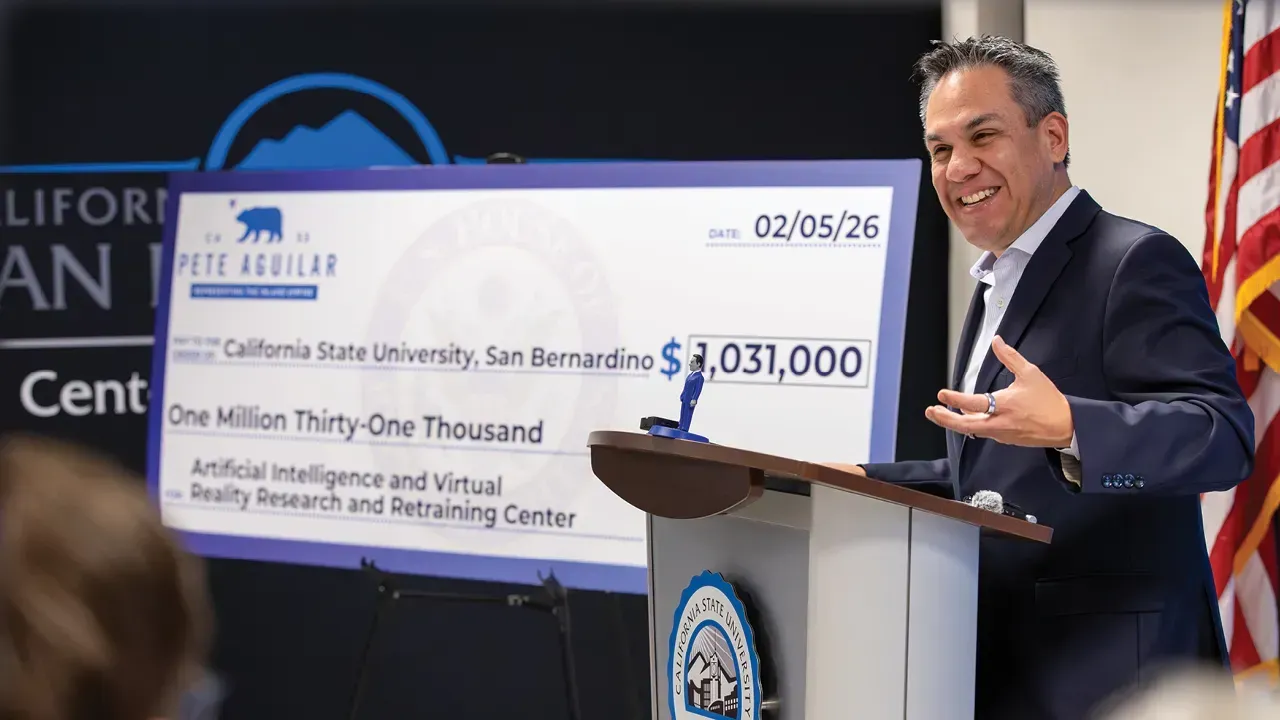
By UBJ Staff August 19, 2026
PCR Business Finance has officially opened the doors to its new headquarters at 3800 W. Slauson Avenue in Los Angeles , placing a major small-business resource directly in the community it was created to serve. Elected officials, community organizations, business owners and supporters gathered for a ribbon-cutting ceremony and open house celebrating the new location—and what it could mean for entrepreneurs throughout South Los Angeles. For PCR President and CEO Mark Robertson Sr. , reaching this milestone required faith, determination and a clear commitment to the community. “The process has been one of faith, persistence, pushing forward to make sure this happens for our community at this time,” Robertson said. “PCR was started almost 50 years ago to support businesses that don’t have resources, and now, here we are, putting our footprint in the community that needs us most,” he continued. “We are just so excited about that.” Nearly 50 Years of Expanding Economic Opportunity Founded in 1977, PCR Business Finance is a nonprofit 501(c)(3) organization that promotes community economic development through financial, educational and advisory services. PCR is described as the only organization in Los Angeles County with dual designation as both a Community Development Financial Institution and Small Business Development Center. Through those roles, the organization connects under-resourced entrepreneurs with financing, technical assistance, education and guidance designed to help them start, stabilize and grow their businesses. Its new Slauson Avenue headquarters represents a significant investment in that mission—and in the future of South Los Angeles business owners. “We’re not just celebrating today a new building, but what this building represents for South L.A. entrepreneurs,” said Los Angeles County Supervisor Holly Mitchell , who delivered the keynote address. “We deserve a world-class resource right here in our own community.” Mitchell described the new headquarters as a $6 million investment in the unincorporated Second District and emphasized the importance of strengthening community-based financial institutions. “We are here at a pivotal time,” Mitchell said. “Community development financial institutions are under attack from our very own federal government.” “This $6 million investment—I said, $6 million investment—in unincorporated Second District really is a declaration that we believe in ourselves, this community, and we’re not going to wait on the federal government to validate our worth.” A Visible Home for Business-Building Resources Los Angeles City Council President Marqueece Harris-Dawson celebrated PCR’s decision to make its presence visible along the Slauson Avenue corridor. “A big round of applause for beautifying an already beautiful corridor—our corridor—and putting your name on front street so everybody can see that we’re up in here, about the business of our community having small businesses,” Harris-Dawson said. “It’s important that you’re here. It’s important that everybody knows, if I ever get ready to have a business, I know where to go. It’s right here on the corner.” Other officials and representatives attending the celebration included: Long Beach City Councilwoman Tunua Thrash-Ntuk Representatives from the office of Compton Mayor Emma Sharif Representatives from the office of U.S. Rep. Sydney Kamlager-Dove Representatives from the office of California State Sen. Lola Smallwood-Cuevas Representatives from the office of California State Treasurer Fiona Ma Representatives from the office of Assemblymember Isaac Bryan Representatives from the office of Assemblymember Tina McKinnor Representatives from the office of Los Angeles County Assessor Jeffrey Prang Representatives from the office of Los Angeles Metro Board Director Jacquelyn Dupont-Walker Helping Businesses Prepare for Major Opportunities PCR enters its next chapter with a long record of connecting businesses and communities to capital. The organization recently surpassed $50 million in administered funds through Los Angeles Metro’s Business Interruption Fund , one of many milestones it has achieved during nearly five decades of service. PCR is also helping small businesses prepare for the economic activity expected around the 2028 Olympic and Paralympic Games in Los Angeles and other large-scale events coming to the region. Those opportunities could generate new customers, contracts and visibility for local companies. But small-business owners may need financing, certifications, stronger operations and technical guidance to compete effectively. PCR’s combination of capital and business-development services positions the organization to help entrepreneurs become ready for those opportunities. Bringing the Work Back Home The opening also carried deep personal meaning for Robertson, who grew up in the surrounding neighborhood. “It feels wonderful,” Robertson said after cutting the ribbon. “This is the community I grew up in. I went to 54th Street School, maybe just a half mile from here.” “This is my neighborhood, and it’s good to be able to go out, have been educated, trained and bring all of that back to the community I love.” With its new headquarters now open, PCR Business Finance is creating a visible place where entrepreneurs can seek funding, receive guidance and find the support needed to move their businesses forward. For more information about PCR’s financing, education and business-advisory services, visit pcrcorp.org . UBJ Takeaway: South Los Angeles and Southern California entrepreneurs seeking capital or business assistance should review PCR’s available loan programs, advising services and upcoming training opportunities—particularly those preparing for public contracting and LA28-related growth.
By UBJ Staff August 19, 2026
As Los Angeles prepares to welcome the world, local entrepreneurs are being encouraged to prepare now for the contracts, capital and growth opportunities surrounding the 2028 Olympic and Paralympic Games. By Urban Business Journal Staff The 2028 Olympic and Paralympic Games will bring more than world-class competition to Los Angeles. They are also expected to generate significant demand for local goods, services and suppliers—and JPMorganChase says small businesses should be positioned to participate. JPMorganChase Chairman and CEO Jamie Dimon and Los Angeles-based executive Diedra Porché are helping focus attention on the economic potential surrounding LA28, particularly for entrepreneurs and neighborhood businesses that have historically struggled to access major contracts and growth capital. The financial institution recently became the Official Bank of Team USA and the LA28 Olympic and Paralympic Games, a Founding Partner of LA28 and the first Global Banking Partner in Olympic history. But for Los Angeles business owners, the most consequential part of the partnership may be what happens beyond the competition venues. JPMorganChase says its LA28 commitment will include efforts to empower local businesses, increase access to financial resources and help ensure that the economic impact of the Games continues after the closing ceremony. “The Olympic and Paralympic Games bring people together in powerful ways,” Porché wrote when announcing the partnership. “And they create opportunity that extends well beyond the moment—for athletes, for families and for communities.” A Major Economic Moment for Los Angeles Delivering an event of LA28’s scale will require an extensive network of companies. The organizing committee says hundreds of contracting opportunities are expected across industries including: Event production Food and beverage Hospitality and tourism Transportation Logistics and warehousing Security Technology Marketing and communications Staffing and workforce services Equipment rental Professional services Cleaning, maintenance and waste management LA28 has established a goal of directing 75% of its addressable spending to local businesses and 25% to small businesses through its Community Business Supplier Program. That commitment could open doors for Los Angeles entrepreneurs—but registration alone will not be enough. Companies must be financially prepared, operationally capable and ready to meet the requirements of large institutional buyers. Capital, Coaching and Connections JPMorganChase’s LA28 partnership comes as the company expands its broader support for small businesses through its American Dream Initiative. The bank plans to provide nearly $80 billion in small-business lending over the next decade, hire more than 1,000 additional business bankers and expand its team of senior business consultants. Los Angeles is among the priority markets identified for increased support. The initiative also includes an expansion of Coaching for Impact, which provides entrepreneurs with individual coaching, technical assistance and business education. Porché, JPMorganChase’s regional chair for California and the West and head of Community and Business Development, has spent much of her career connecting entrepreneurs to capital, mentoring and practical financial tools. Her leadership is especially relevant in Los Angeles, where many small and diverse businesses have the expertise to perform major contracts but may need help strengthening cash flow, accessing working capital or navigating complex procurement systems. That distinction matters. Winning a large contract can place unexpected pressure on a small company. Vendors may need to hire employees, purchase inventory, secure equipment and complete work weeks—or months—before receiving payment. Access to capital is therefore not separate from procurement readiness. It is part of it. Opportunity Is Not the Same as Access The arrival of the Games does not automatically guarantee that neighborhood businesses will benefit. Small companies can still be excluded by limited outreach, complicated registration systems, insurance requirements, bonding thresholds, slow payment schedules or contracts packaged at sizes that only established corporations can manage. For LA28’s small-business commitment to create meaningful economic mobility, local entrepreneurs must be able to compete as prime contractors, subcontractors and suppliers throughout the Games’ supply chain. Banks, corporations, government agencies and technical-assistance organizations will also need to coordinate their resources. Business owners should not have to navigate disconnected systems to locate financing, certifications, training and contracting opportunities. The true measure of LA28’s economic legacy will not simply be how much money the Games generate. It will be how much of that investment reaches Los Angeles businesses, workers and communities—and whether participating companies emerge stronger after 2028. What Los Angeles Businesses Should Do Now The contracting window is already opening. Business owners should begin preparing before opportunities aligned with their capabilities are announced. 1. Register with LA28 Businesses interested in supplying goods or services should complete the official LA28 Supplier Registration . Registration places a company in the supplier database but does not guarantee a contract. LA28 may contact registered companies when relevant opportunities arise. 2. Join RAMP LA28’s competitive procurement opportunities are expected to appear through the City of Los Angeles’ Regional Alliance Marketplace for Procurement , commonly known as RAMP. Businesses should create a complete vendor profile, select accurate commodity codes and review the platform regularly for Requests for Information, Expressions of Interest and formal solicitations. 3. Prepare a Strong Capability Statement A one-page capability statement should clearly communicate: The company’s core services Relevant project experience Past performance Certifications Geographic service area Insurance and bonding capacity Business identifiers and commodity codes Contact information What makes the company especially qualified The document should be tailored to the buyer rather than used as a generic company flyer. 4. Review Financial Capacity Businesses should understand how much working capital they would need to perform a major contract successfully. Owners should review cash flow, credit, payroll capacity, equipment needs and the financial effect of delayed payments before submitting a bid. 5. Secure Relevant Certifications Depending on the opportunity, certification as a small, minority-owned, woman-owned, veteran-owned, LGBTQ-owned or disabled-owned business may increase visibility and provide access to supplier-diversity programs. Business owners should verify which certifications are recognized by each buyer rather than assuming one certification applies everywhere. 6. Look for Subcontracting Opportunities Not every business will enter the LA28 supply chain as a prime contractor. Smaller companies can pursue subcontracting, joint ventures and supplier relationships with larger firms that need local partners, specialized expertise or diverse vendors to fulfill major agreements. 7. Use Free Procurement Assistance ProcureLA provides eligible Los Angeles businesses with free procurement education and assistance designed to help companies compete for public- and private-sector contracts. Small Business Development Centers and other local technical-assistance providers can also help owners review financials, refine capability statements and assess contract readiness. The Starting Gun Has Already Fired The Olympic flame will not arrive in Los Angeles until 2028, but the business opportunity has already begun. For local entrepreneurs, the next two years should be treated as a preparation period: strengthening operations, building relationships, securing capital and becoming visible to the institutions and prime contractors that will help deliver the Games. JPMorganChase has the scale, resources and Los Angeles presence to play a meaningful role in that preparation. The firm serves more than five million customers and approximately 589,000 small-business clients across Greater Los Angeles, supported by more than 330 branches and 6,000 employees. The opportunity now is to translate that reach—and LA28’s supplier goals—into measurable contracts, jobs and long-term business growth across Los Angeles. The world is coming to the city. Los Angeles businesses should be ready when it arrives. 
By Kim Anthony August 18, 2026
The third-generation, Black-owned business has turned a family recipe into a West Coast enterprise—while remaining rooted in the community that helped it grow. By Urban Business Journal Staff For 70 years, the ovens at 27th Street Bakery have produced more than sweet potato pies. They have helped sustain a family legacy, create neighborhood jobs and preserve an important piece of Black business history in South Los Angeles. Located at 2700 South Central Avenue, the third-generation, Black-owned bakery is celebrating seven decades in business—a milestone few small businesses ever reach. Best known for its homemade sweet potato and pecan pies, 27th Street Bakery has grown from a neighborhood favorite into what the company describes as the largest manufacturer of sweet potato pies on the West Coast. From Southern Roots to a Los Angeles Landmark The business began during the 1930s when Harry and Sadie Patterson opened a restaurant along Central Avenue, then the cultural and commercial heart of Black Los Angeles. The Pattersons brought Southern recipes and traditions with them, creating food that offered Los Angeles’ growing Black community a familiar taste of home. In 1956, the family converted the restaurant into a specialty bakery producing sweet potato pies, fruit pies, cakes and other desserts. That transformation established the business now known as 27th Street Bakery. The next generation assumed leadership in 1980, when the founders’ daughter, Alberta Cravin, and grandson, Gregory Spann, took over the operation. Today, the bakery is led by sisters Denise Cravin-Paschal and Olympic gold medalist Jeanette Bolden-Pickens, along with Bolden-Pickens’ husband, Al Pickens. Five additional family members are reportedly involved in the business, continuing a tradition of shared ownership and responsibility. More Than a Bakery The bakery’s longevity is especially significant because of where it stands. Central Avenue was once home to a thriving collection of Black-owned hotels, nightclubs, restaurants and professional offices. As Los Angeles changed and families dispersed into other neighborhoods, many of those businesses disappeared. 27th Street Bakery remained. Its presence represents both economic endurance and cultural preservation. Across several generations, the company has provided employment, stability and a trusted gathering place for neighborhood residents. The bakery has also learned how to grow without abandoning its roots. Customers can still walk into the Central Avenue storefront and purchase fresh pastries, but the company now accepts online orders, offers nationwide shipping through Goldbelly and provides local delivery through services including DoorDash, Uber Eats and Postmates. The company was also selected as an approved supplier for the Super Bowl LVI Business Connect program—an initiative that identified qualified, diverse Los Angeles-area companies to compete for contracting opportunities connected to the event. That combination of tradition, distribution and supplier readiness offers a valuable lesson for other community-based businesses: longevity often depends on preserving what customers love while continually developing new ways to reach them. Seventy Years—and Still Growing In recognition of the anniversary, 27th Street Bakery is offering slices of sweet potato pie for 70 cents on select Saturdays through October 31, according to reporting from LA Local. The promotion is more than an anniversary special. It is an invitation for Los Angeles residents to support a business that has supported its community for generations. At a time when many independent restaurants and neighborhood businesses are struggling with rising costs, changing consumer habits and increased competition, reaching the 70-year mark is an extraordinary achievement. It demonstrates the power of family succession, a trusted product, community loyalty and the willingness to adapt. The Business Lesson The story of 27th Street Bakery offers several practical lessons for entrepreneurs hoping to build companies that last: Build around a signature product. The bakery became widely recognized for one distinctive offering—its homemade sweet potato pie. Protect the brand’s story. Its history and family recipe are not simply sentimental details; they are competitive advantages that distinguish the company from mass-market producers. Prepare the next generation. Leadership has successfully transferred through three generations, allowing the company to preserve family ownership. Expand how customers can buy. Nationwide shipping, online ordering and delivery platforms have taken the bakery beyond the geographic limitations of its storefront. Pursue supplier opportunities. Certification and participation in procurement programs can expose established small businesses to larger contracts and new institutional customers. Remain connected to the community. The company’s enduring relationship with South Los Angeles has created a level of loyalty that advertising alone cannot purchase. For entrepreneurs throughout Los Angeles, the Inland Empire and beyond, 27th Street Bakery is proof that a neighborhood business can preserve its identity, expand its reach and build an enterprise capable of outliving its founders. Seventy years later, the family is still baking—and Los Angeles is still showing up for another slice. Support This Legacy Business 27th Street Bakery 2700 S. Central Avenue Los Angeles, CA 90011 Tuesday–Saturday, 8 a.m.–4 p.m. 323-233-3469 Order or learn more at 27thStreetBakery.com This story was inspired by the CBS Los Angeles report celebrating the bakery’s 70th anniversary . Additional historical information was verified through the 27th Street Bakery , the Los Angeles Conservancy and LA Local .
Share by: