From Enslavement to Empowerment: L.A. Moves to Rename Pershing Square in Honor of Biddy Mason’s Extraordinary Legacy
LOS ANGELES — Biddy Mason arrived in California without her freedom. But through extraordinary courage, determination and faith, she built a life that would help shape Los Angeles for generations.
Now, nearly 170 years after Mason won her freedom in a Los Angeles courtroom, the city is taking steps to ensure that her name and remarkable legacy are seen and remembered.
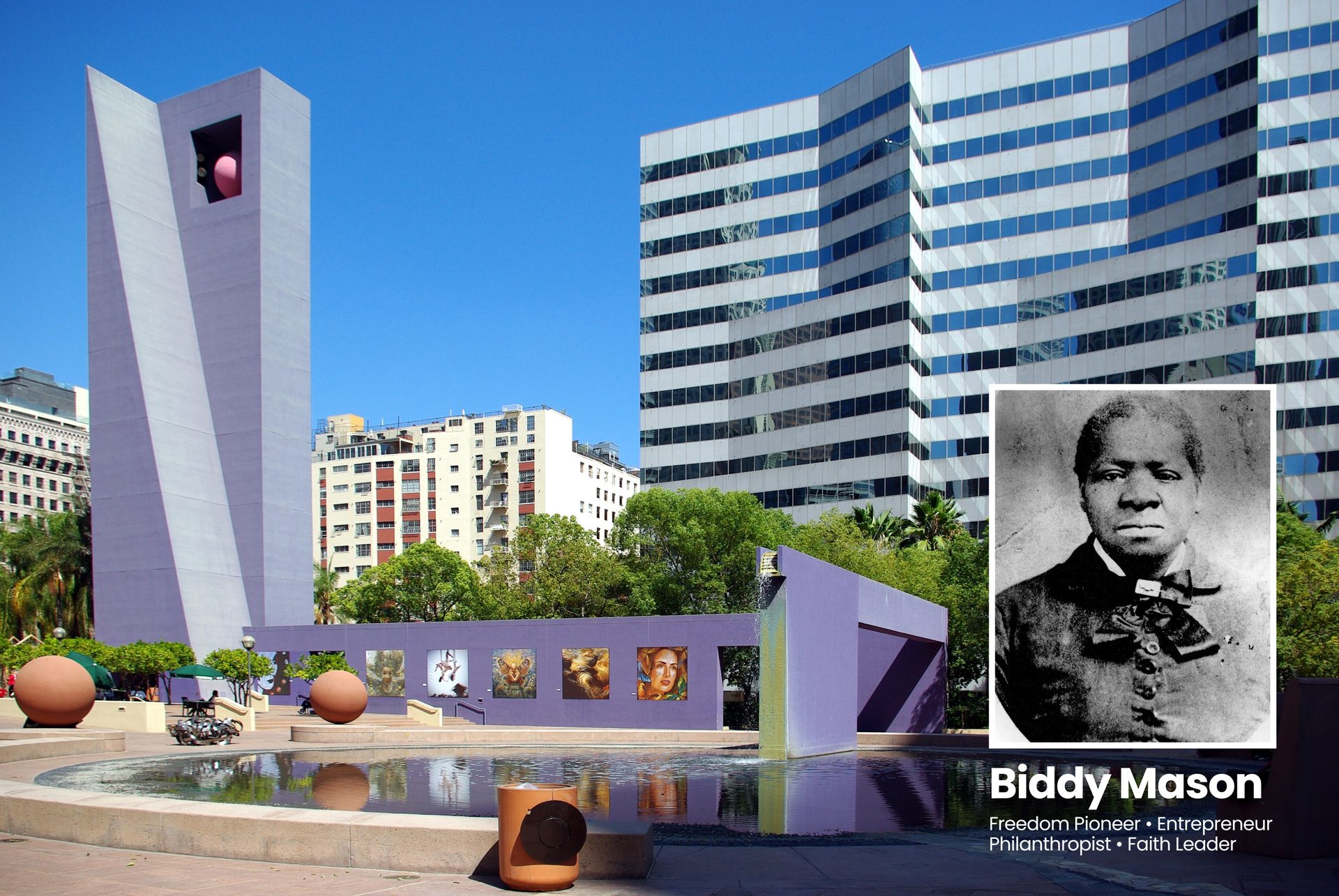
The Los Angeles City Council voted unanimously Friday to begin the process of renaming Pershing Square as Biddy Mason Park. The five-acre Downtown Los Angeles plaza, located between Olive and Hill streets near the Biltmore Hotel, would honor the formerly enslaved woman who became a successful landowner, philanthropist and founder of First African Methodist Episcopal Church of Los Angeles—one of the nation’s largest Black churches.
The Rev. Timothy E. Tyler of First AME Church was among those who urged the council to approve the change.
"In a world where histories are being erased and denied or negated, we believe that this act by the City Council will signal to the world that we in Los Angeles value those who have helped to build this city," Tyler said.
Council member Ysabel Jurado, whose district includes the park and who championed the proposal, said Mason’s story reflects the very heart of Los Angeles.
"When we talk about the Angeleno spirit, resilience, hope, and a refusal to let injustice define what's impossible for us, there may be no better example of that than Biddy Mason," Jurado said.
About Biddy Mason
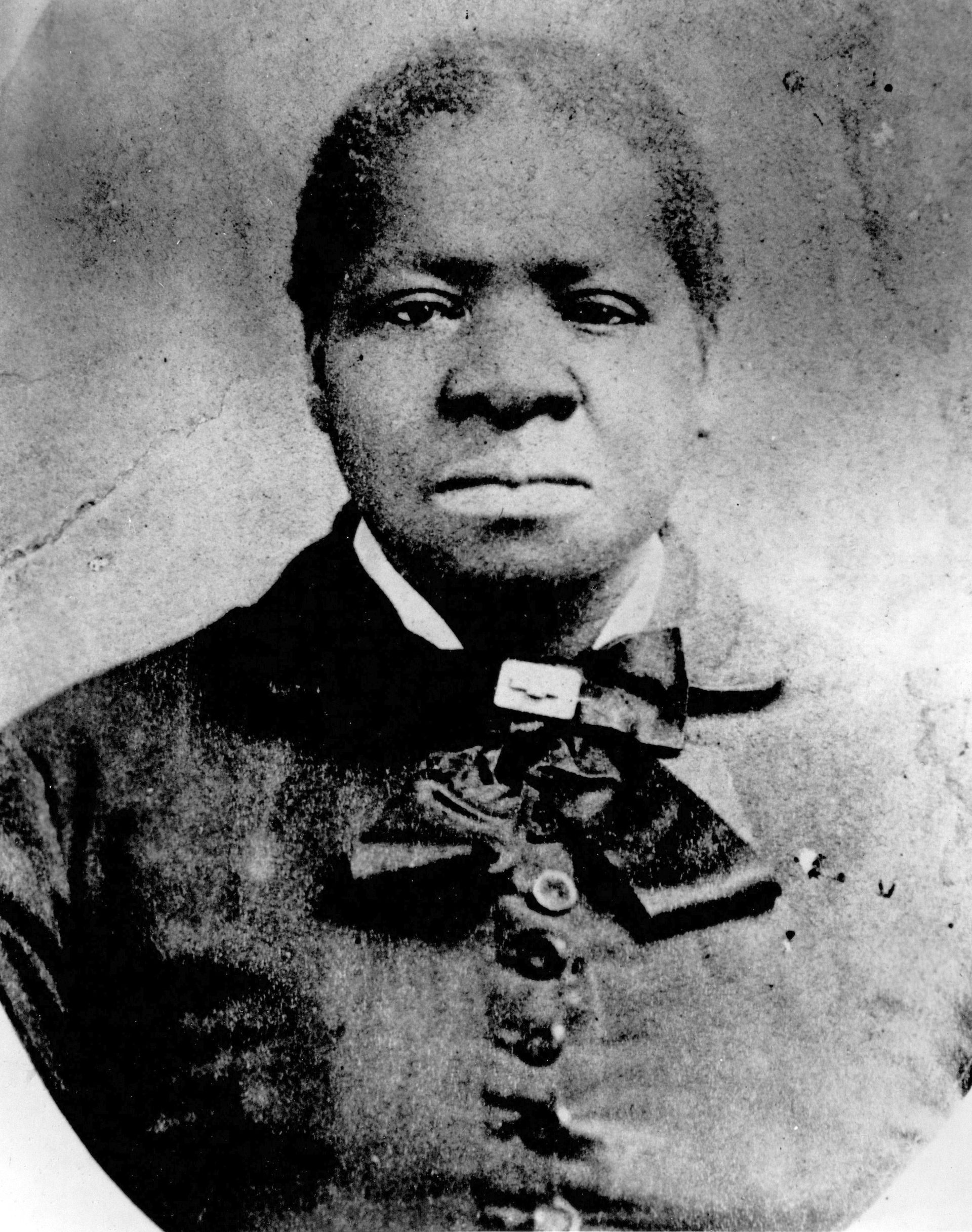
Biddy Mason was born into slavery in Mississippi in 1818. After being forced to walk 1,700 miles west, she arrived in California, where slavery was illegal. In 1856, she courageously petitioned a Los Angeles court and won freedom for herself and members of her family. Mason later became a respected nurse, midwife, entrepreneur, philanthropist and one of Los Angeles’ earliest Black landowners.
She used her wealth to help people in need and co-founded First African Methodist Episcopal Church. Her remarkable journey from enslavement to ownership and community leadership made her a foundational figure in Los Angeles history and Black achievement.
A Legacy Born from Courage
Bridget “Biddy” Mason was born into slavery in Mississippi in 1818. Born without a surname, she was given the name Bridget, while “Biddy” became the name by which she was affectionately known.
She was sold multiple times and taken across state lines before reaching California. In 1848, Mason traveled west with Robert Smith, a Mississippi plantation owner who was relocating to establish a Mormon community in Utah.
Mason reportedly walked 1,700 miles alongside a 300-wagon caravan during the months-long journey. Along the way, she cared for Smith’s children as well as her own, cooked meals and herded cattle.
Smith later moved his household from Utah to San Bernardino, even though slavery was illegal in California. During that journey, Mason met free Black Californians who encouraged her and the other enslaved people traveling with her to challenge their legal status after reaching the state.
Mason found the courage to do exactly that.
In 1856, she petitioned a Los Angeles court and won freedom for herself and several members of her family. The case became one of the city’s earliest legal challenges to slavery and helped establish an important precedent for freedom in California.
But freedom was only the beginning of Biddy Mason’s story.
Building Wealth—and Sharing It
Mason worked as a nurse and midwife, carefully saving her earnings and eventually purchasing property in a rapidly growing Los Angeles. Over time, she became one of the city’s most successful early landowners.
Her accomplishments were extraordinary, particularly for a Black woman who had once been denied ownership of even her own life.
Yet Mason did not build wealth for herself alone. She became known for helping neighbors in need, feeding people experiencing hardship and using her resources to strengthen her community. She also helped establish First African Methodist Episcopal Church, creating a spiritual home and community institution that continues serving Los Angeles today.
Kevin Waite, a history professor at the University of Texas at Dallas who wrote a biography of Mason, said Black leaders such as Mason have too often been left at the margins of the city’s public history.
"Black civic leaders like Biddy Mason have long struggled for their due," said Waite, who grew up in Pasadena.
While researching Mason’s life, Waite discovered that she owned land between Olive and Grand streets, immediately next to Pershing Square. That direct connection, he said, makes the park a fitting place to honor a woman who invested her life, labor and resources in Los Angeles.
A Historic Park—and a Difficult Debate
Pershing Square is one of Los Angeles’ oldest parks. The land was dedicated for public use in 1866 as La Plaza Abaja. In 1918, following World War I, it was renamed Pershing Square in honor of Gen. John J. Pershing, who commanded U.S. forces in Europe.
Not everyone supports replacing the Pershing name.
Courtland Jindra, a former co-director of the California World War I Centennial Task Force, told the council that the plaza honors not only Pershing, but also the soldiers and sailors who served during the war.
"If we take away memorials for anyone, for the military, who's to say they're not going to take away the L.A. Memorial Coliseum?" Jindra asked.
Kim Cooper, who leads historical tours through her company Esotouric and considers herself a preservationist, also expressed concern about removing Pershing’s name.
"Pershing lived a life of integrity, as did Biddy Mason, and they're not in competition," Cooper said in an interview.
Mason already has a small park dedicated to her near Spring and Third streets. Built in 1989 on the site of her original homestead, the memorial honors her life but is tucked away and largely hidden from public view, according to Waite.
Cooper agreed that the existing memorial "needs some love," but believes it should receive better signs and greater visibility instead of renaming a World War I memorial.
She also criticized the city’s care of Pershing Square. On Friday morning, trash was scattered throughout the park, people appeared to be using drugs, and an unhoused person had set up a sleeping area on a park bench.
The effort to rename the square is not new. Then-Council member Kevin de León introduced a similar proposal in 2024, but it expired without a hearing as he faced political fallout from the 2022 Los Angeles City Hall racism scandal.
Friday’s vote does not immediately change the park’s name. It directs city officials to begin the formal renaming process.
For many supporters, however, the vote is already meaningful. It brings greater visibility to a woman whose courage, business leadership, generosity and faith are woven deeply into the history of Los Angeles.
Biddy Mason began her life without freedom, a last name or the right to own property. She ended it as a respected landowner, entrepreneur, philanthropist, church founder and community builder.
Renaming Pershing Square would do more than place her name on a park. It would place Biddy Mason where she has always belonged—at the center of the Los Angeles story.
Photo: The Angels 2010, CC BY-SA 3.0 | Wikipedia Commons